Mosaic Trail
A puzzle game that lets you breathe

Bring back what was lost.

Put together pieces of old worlds using hand-made puzzles. No countdown. No stress.

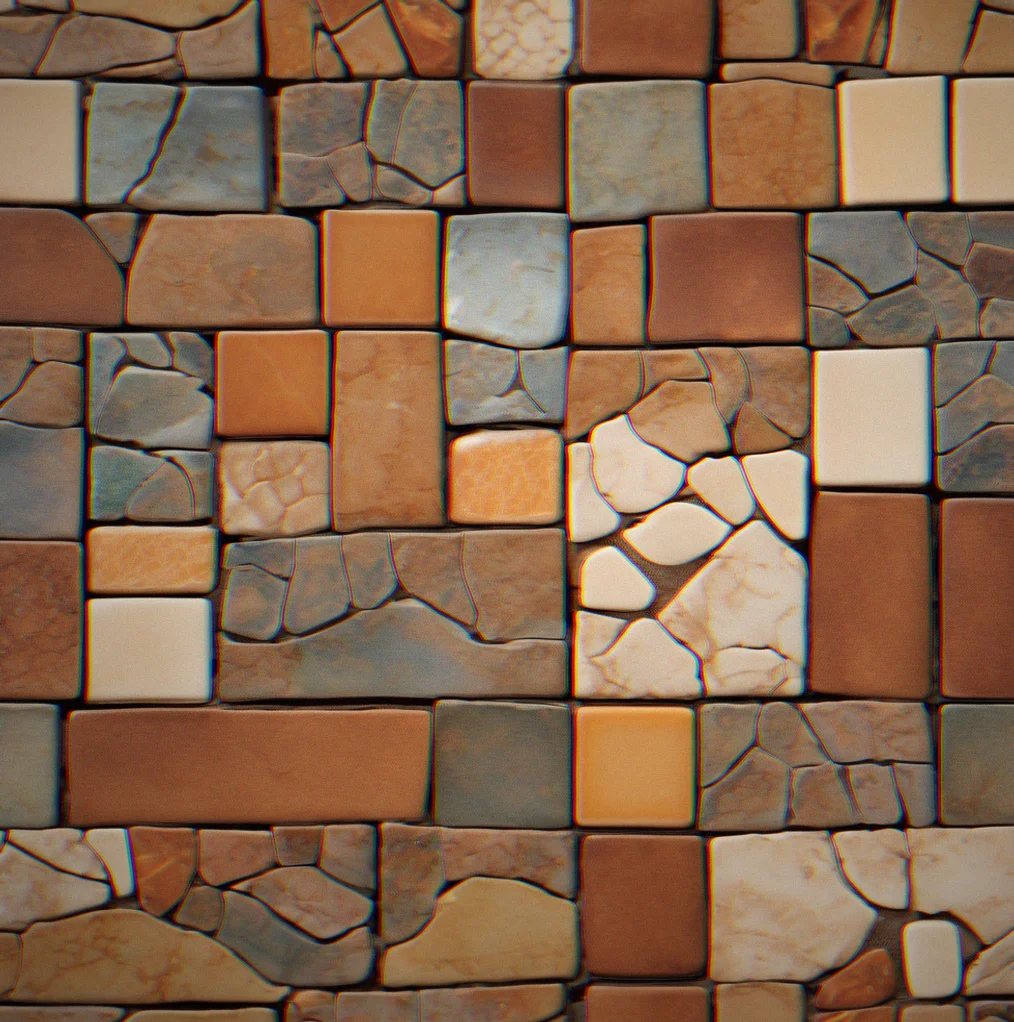
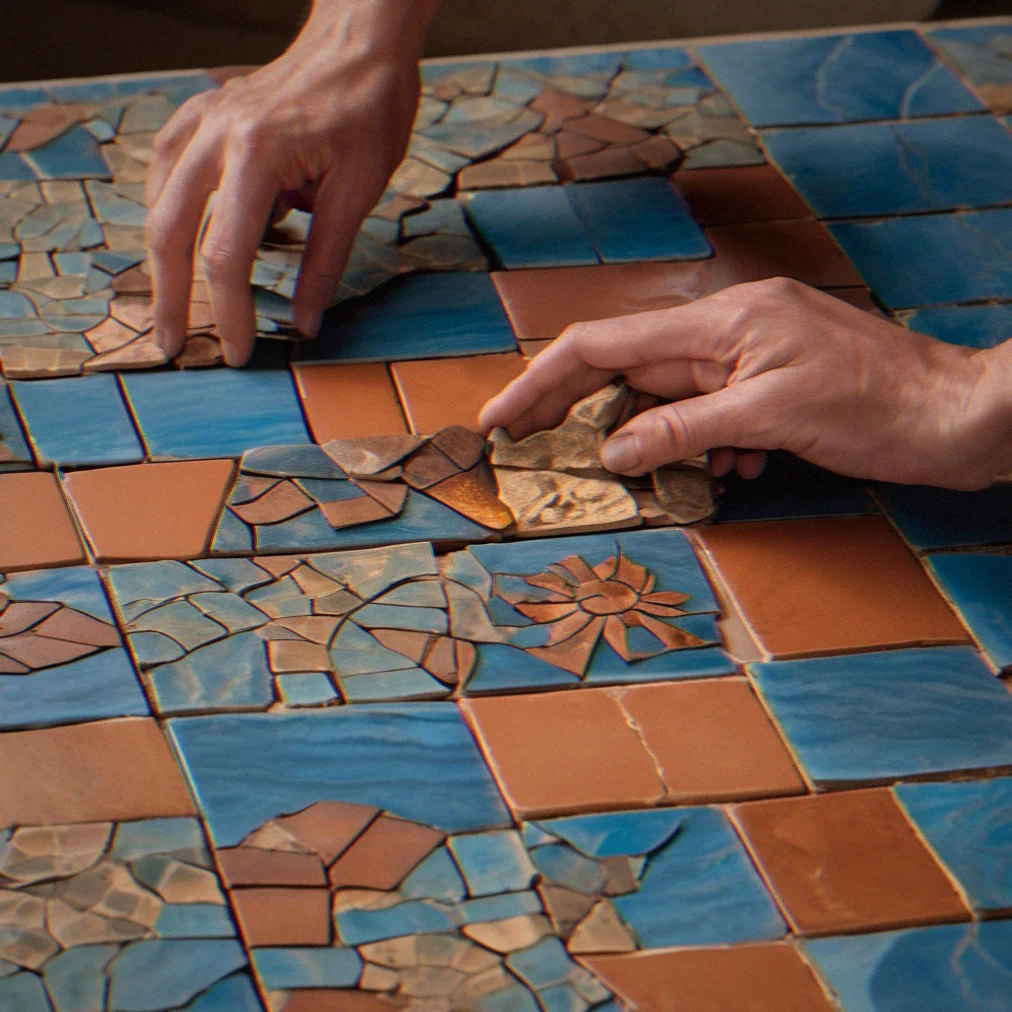
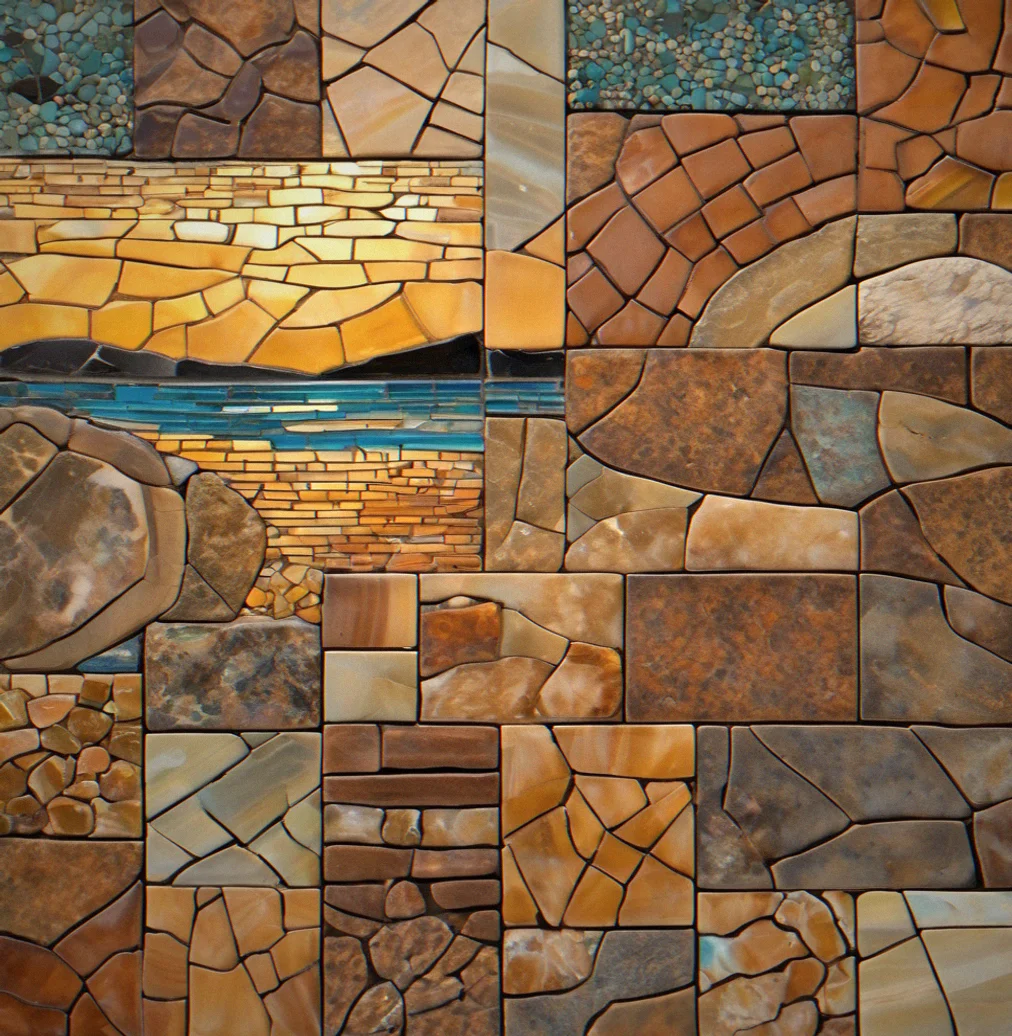
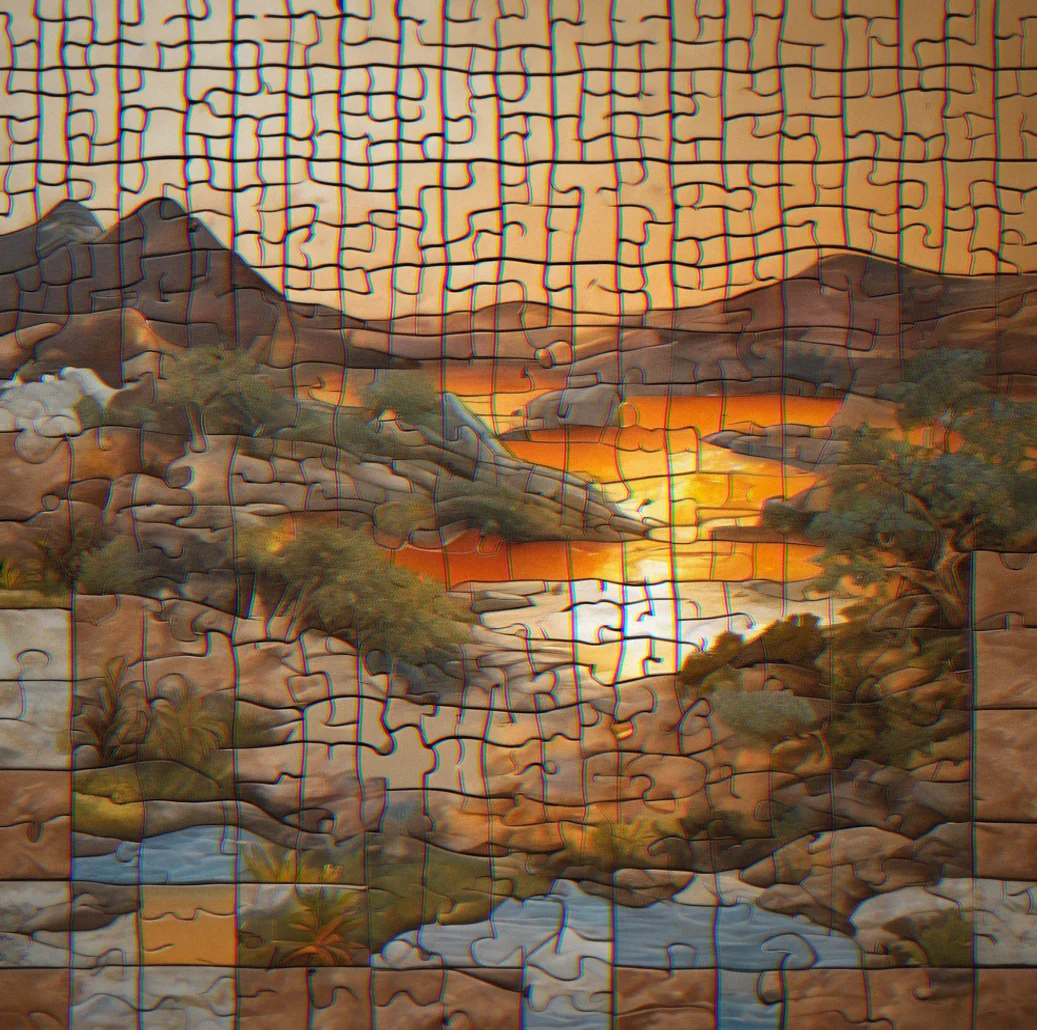
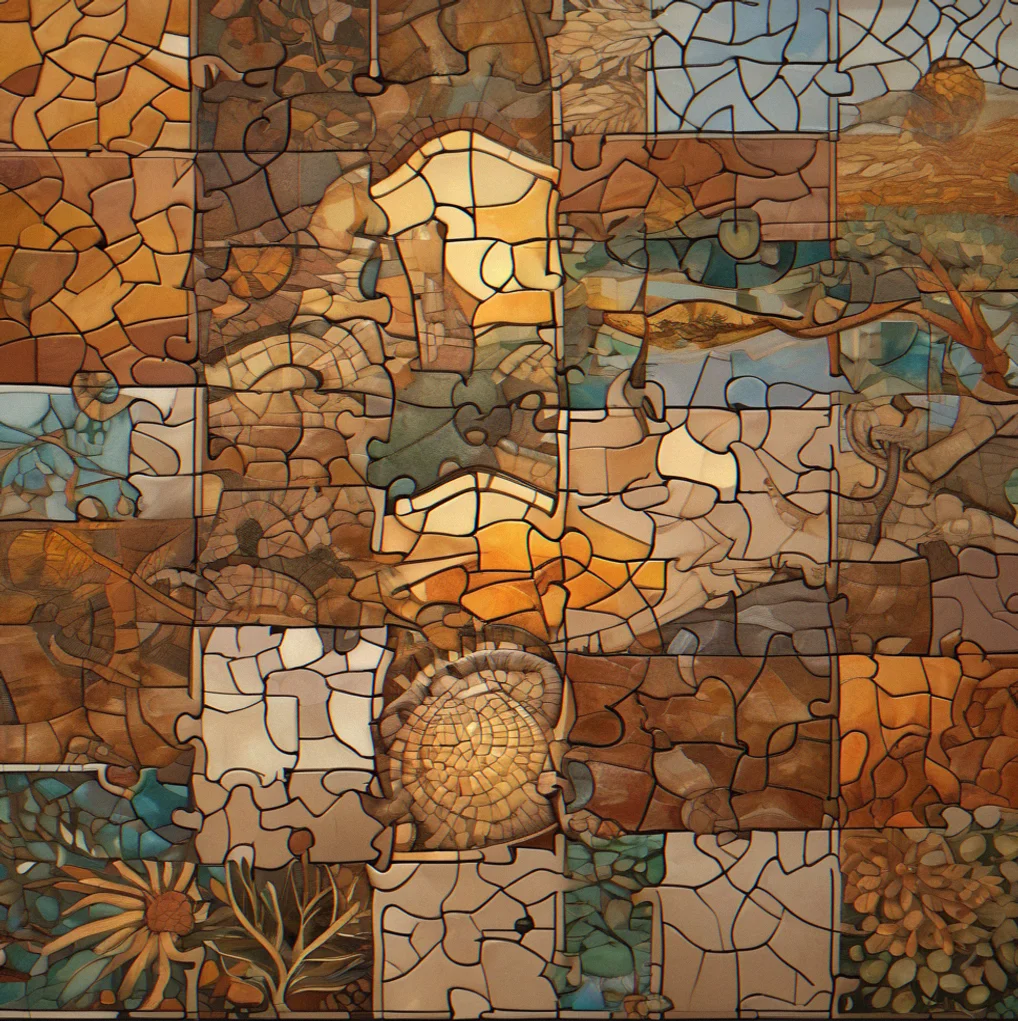
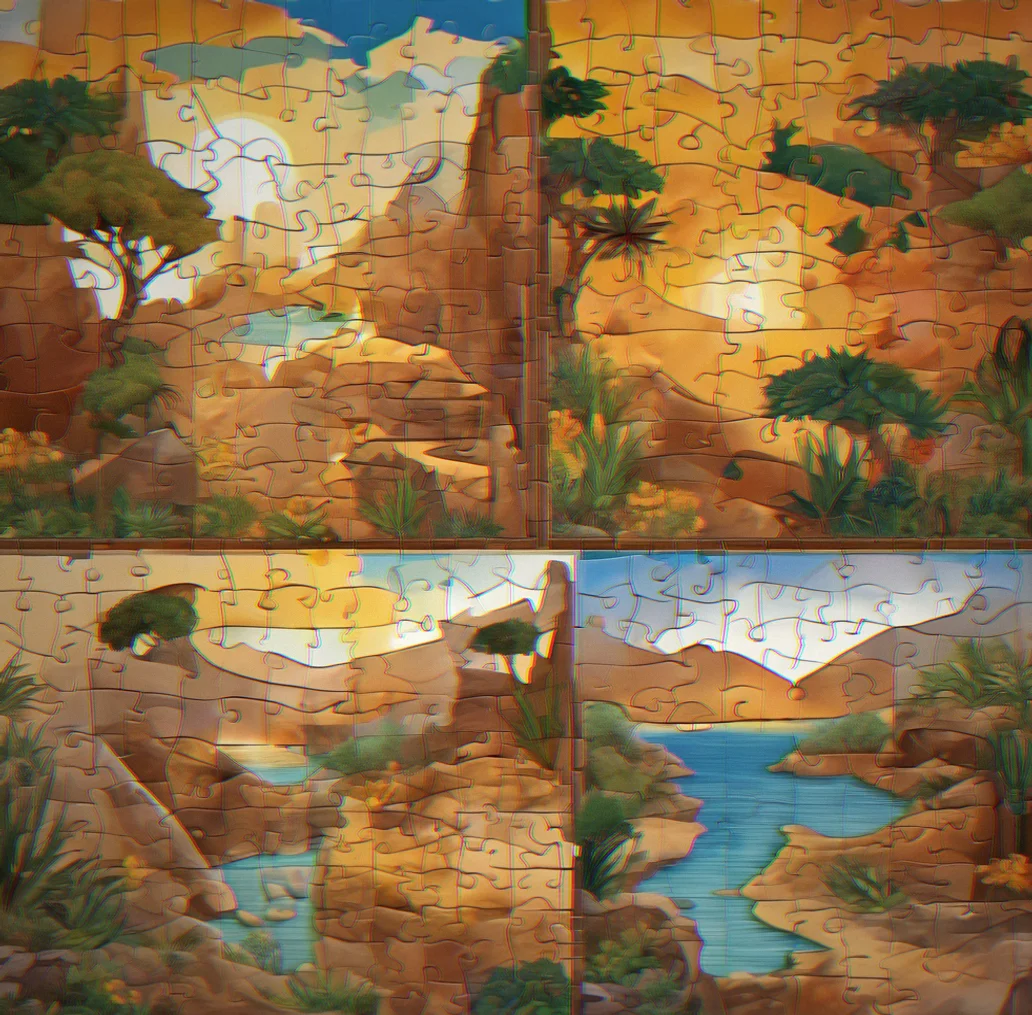
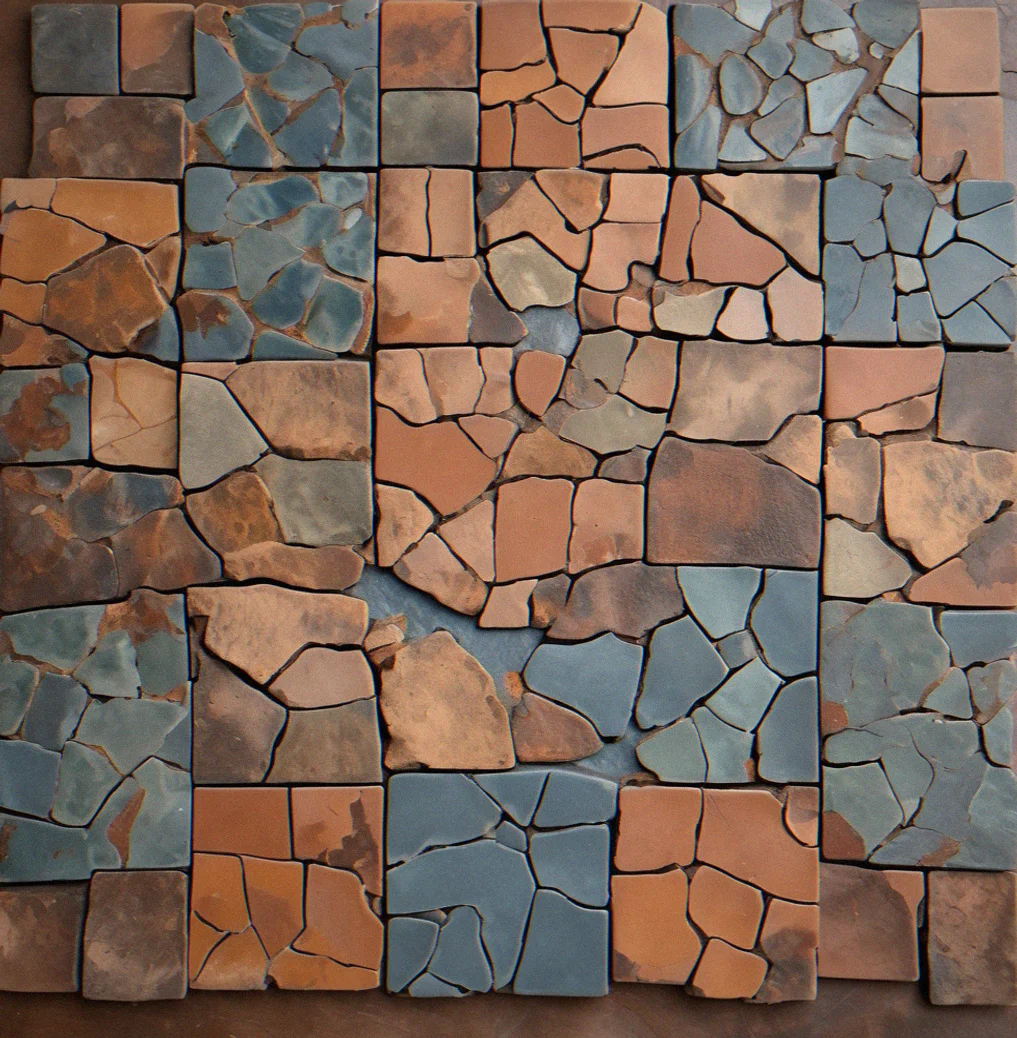
Hand-made tile puzzle with worn pieces in warm clay tones and slate blue, laid out partially complete on the board

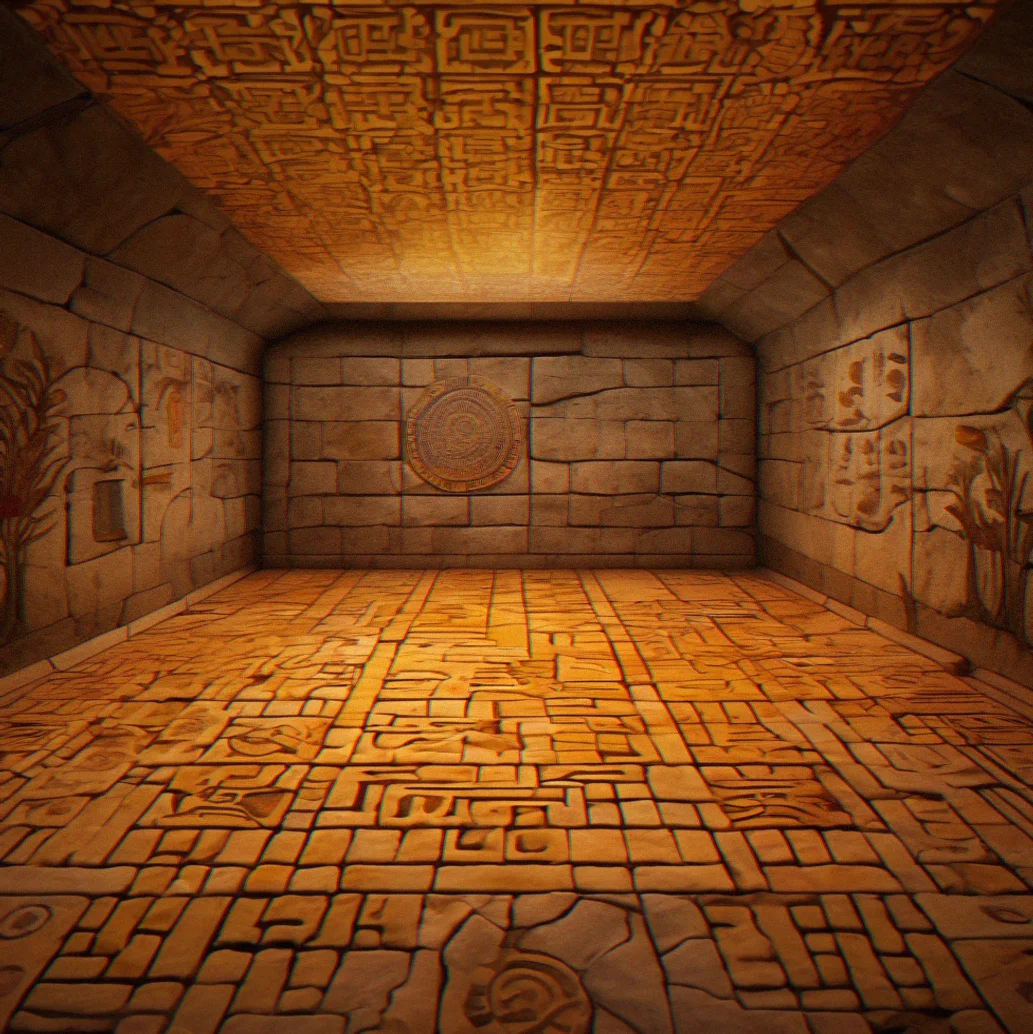
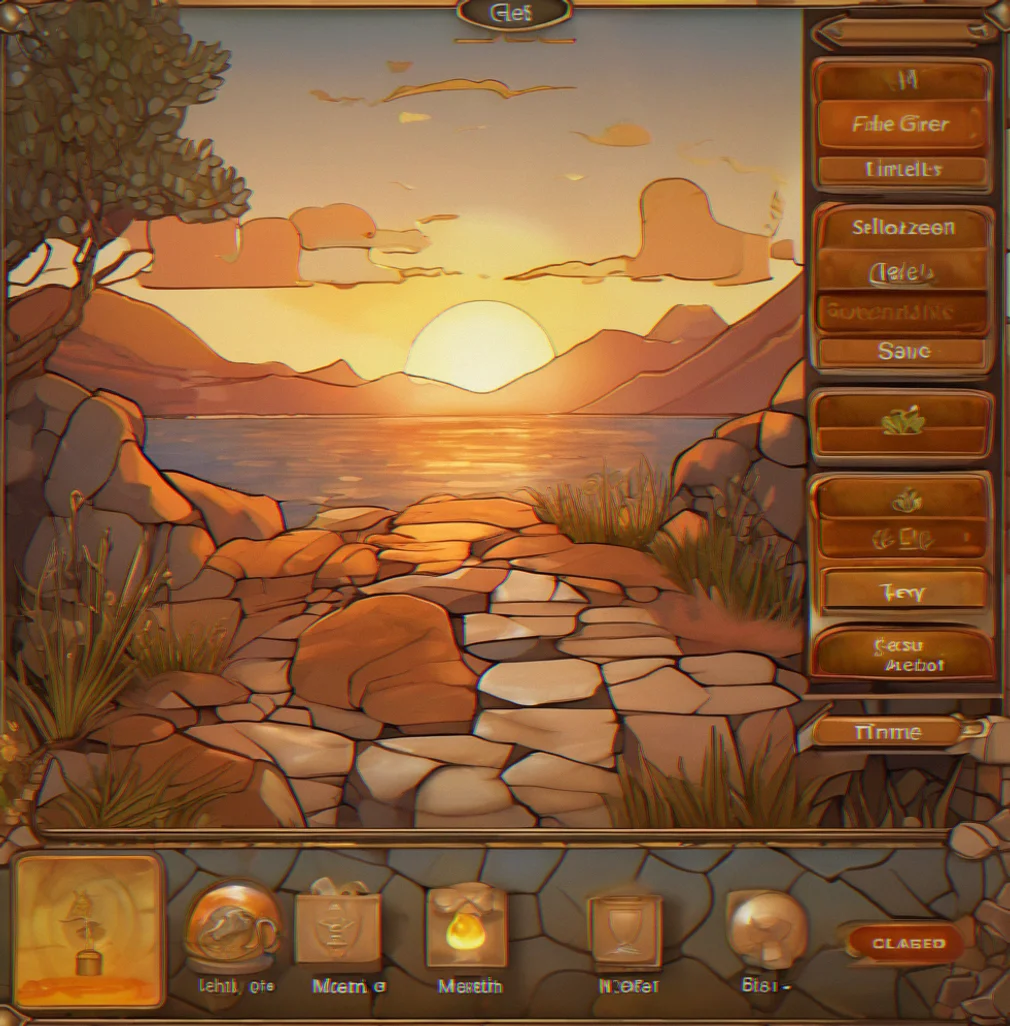
Mosaic Trail is built on tile puzzles where you're really just recognizing patterns. Every single puzzle was made by hand. You move through a world that doesn't force a path on you, finding pieces that slowly reveal stories that time had buried.

The puzzles aren't Randomly generated. There's no predatory monetization scheme. Nobody's screaming at you to move faster. It treats your time the way a good museum treats your attention—it welcomes you in but never pushes. Play a round on your commute or lose an Evening exploring a whole region. The game's not going anywhere.

Start playingSee how it works
VII

What sets Mosaic Trail apart

Seven things you'll actulaly notice when you play.

1
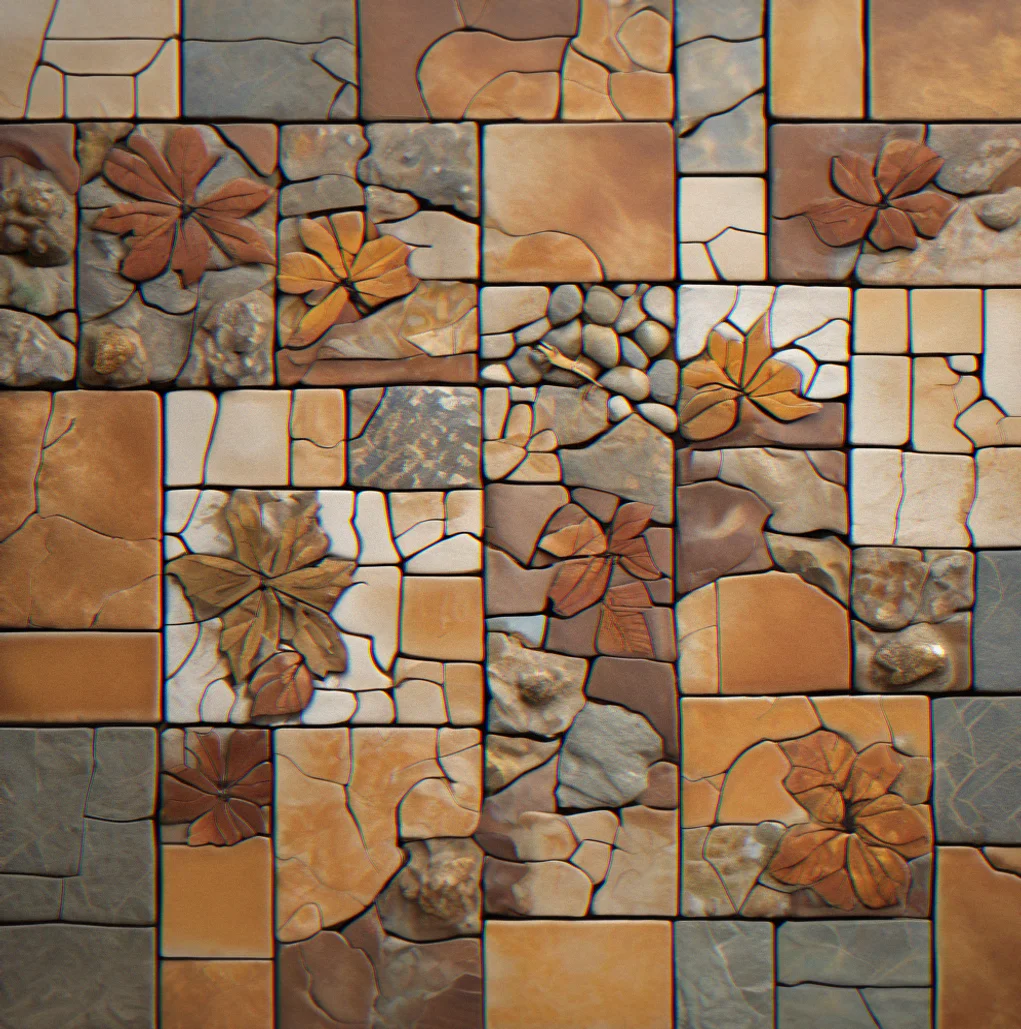
Close-up of a completed tile puzzle showing interlocking ceramic-textured fragments in earth tones

Puzzles are hand-made, not generated

Every tile puzzle was built by hand. No algorithms running behind the scenes, no randomization that shifts things around on each playthrough. Solve it twice and it's identical both times, which means you get smarter the second run when you know what to hunt for.

2
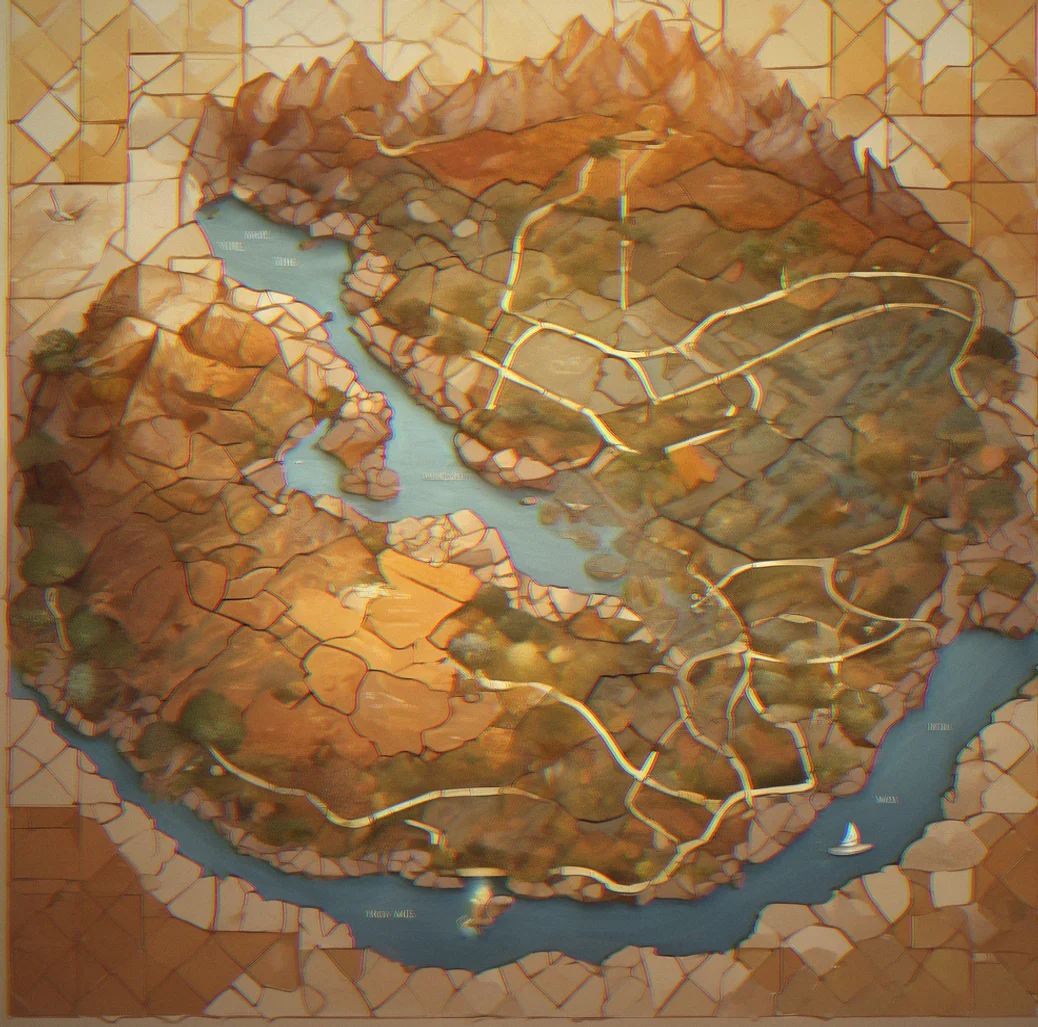
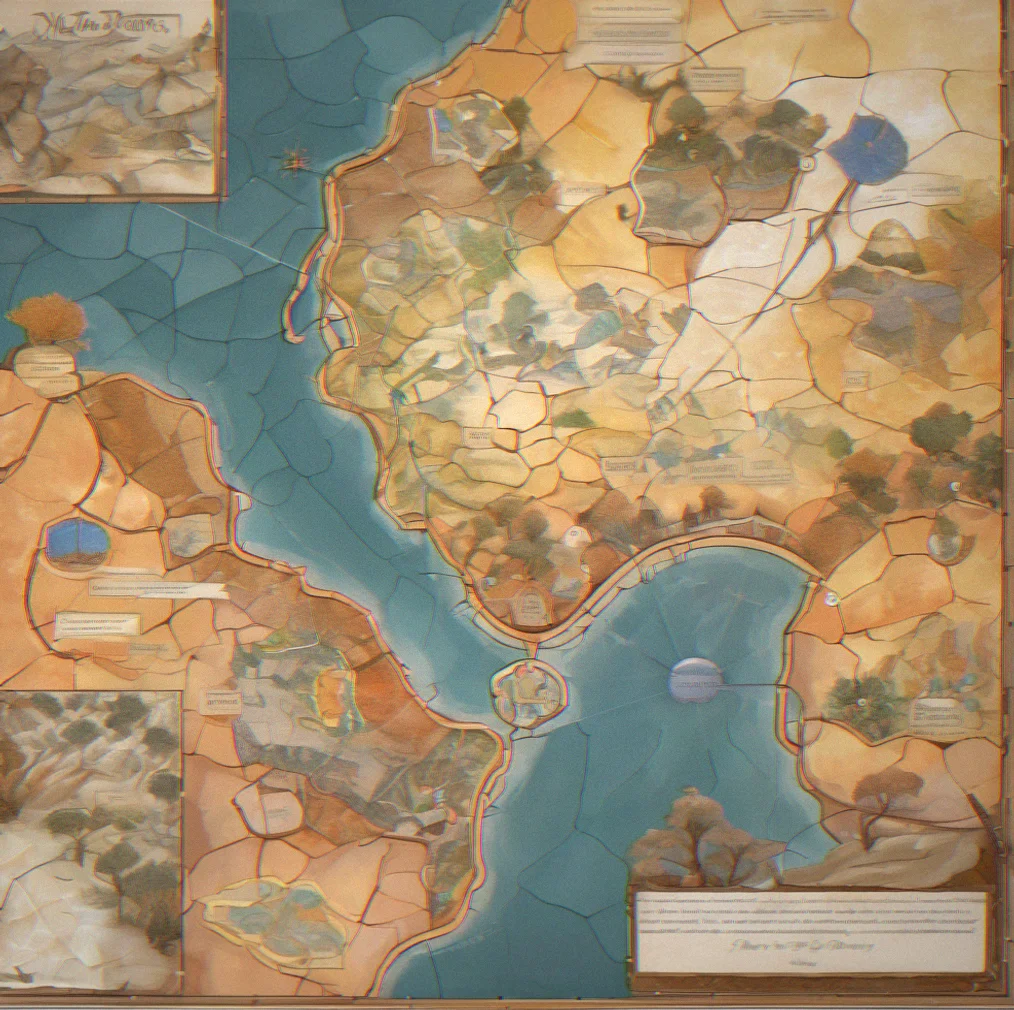
Map view of interconnected regions with winding pathways between different archaeological zones

Move through the world on your own terms

The world doesn't have gates or forced paths. Stuck somewhere? Leave it. Go explore a different area and solve something else instead. Everything stays open. You can come back whenever you've cleared your head. Nobody's rushing you with timers or pop-ups.

3
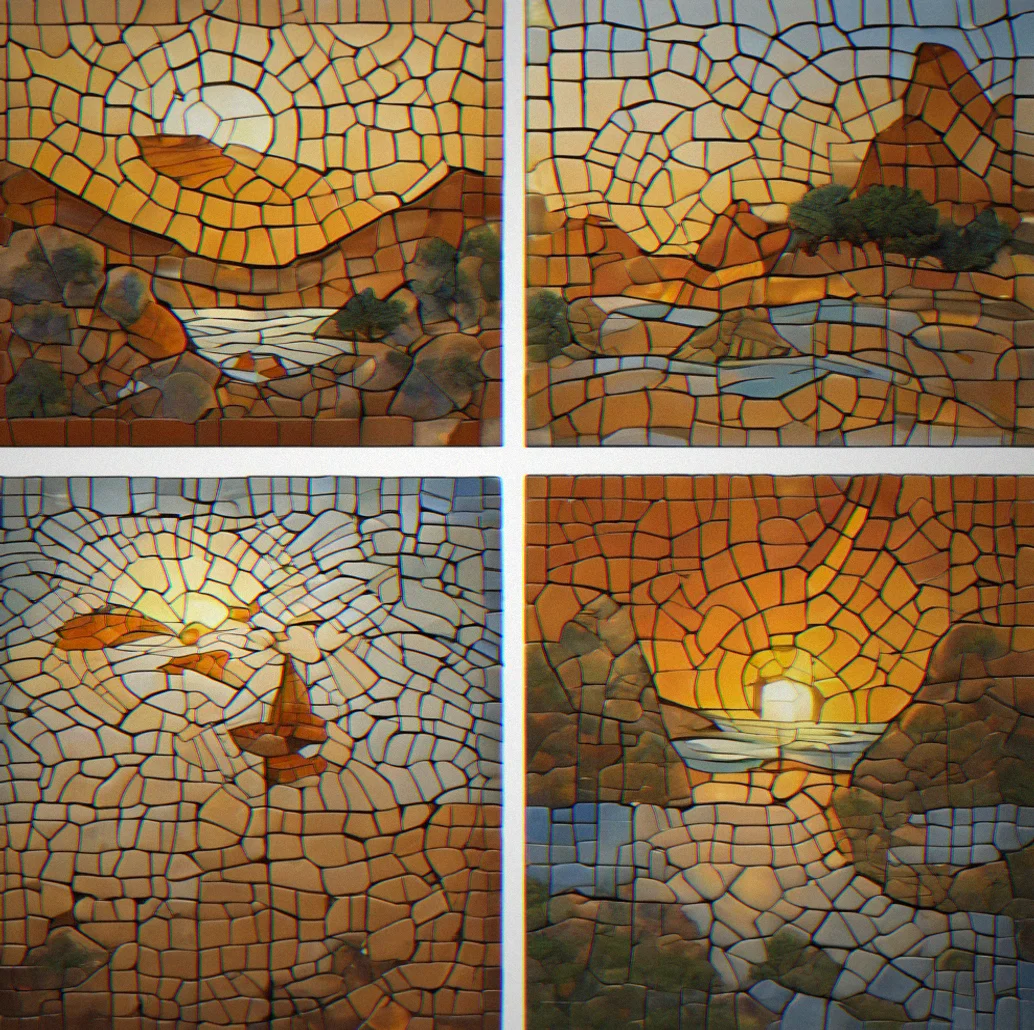
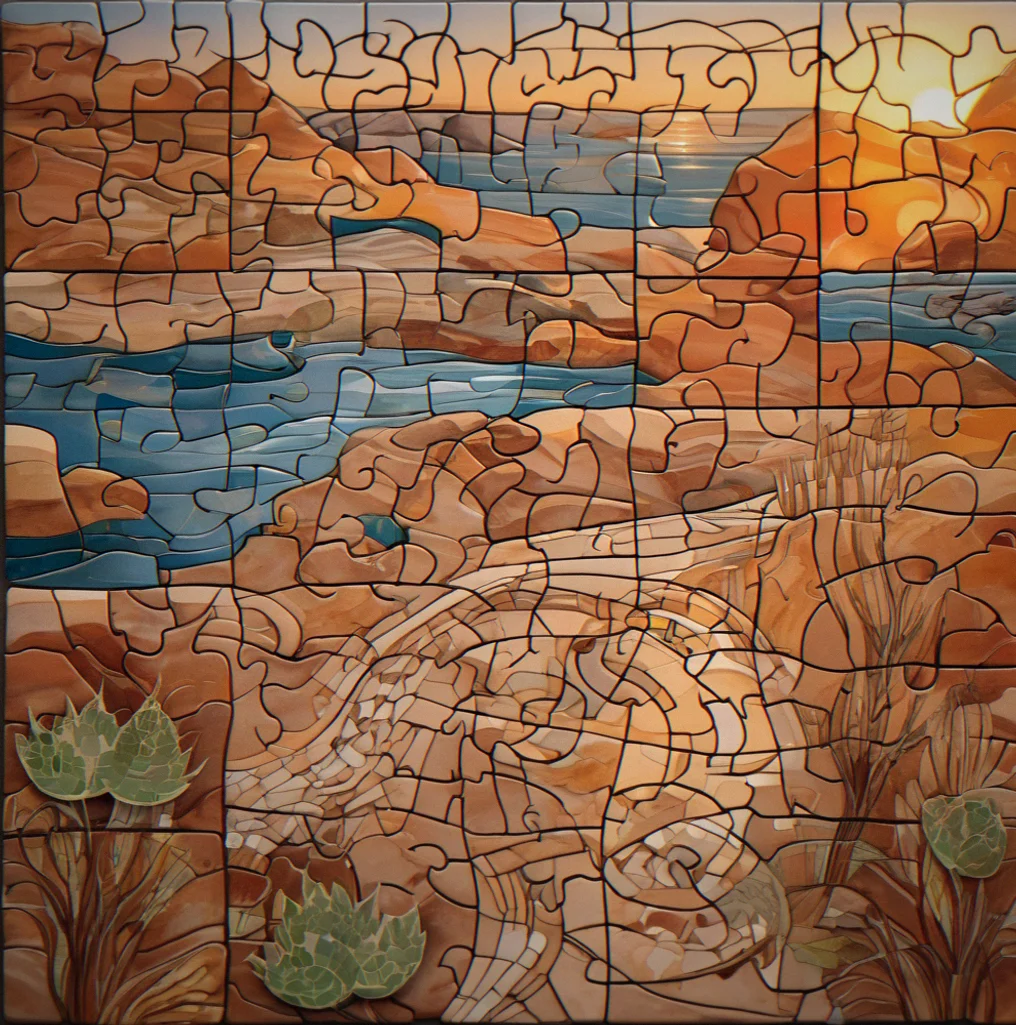
Sequence of three partially-solved tile puzzles showing fragments gradually assembling into a recognizable pattern

Story emerges through what you rebuild

There's no lore dump. You reconstruct the narrative piece by piece. Finish puzzles in a residential area and you start seeing how people lived. Complete ones in a ceremonial space and the symbols begin to make sense. The story builds from what you assemble, not from text handed to you.

4
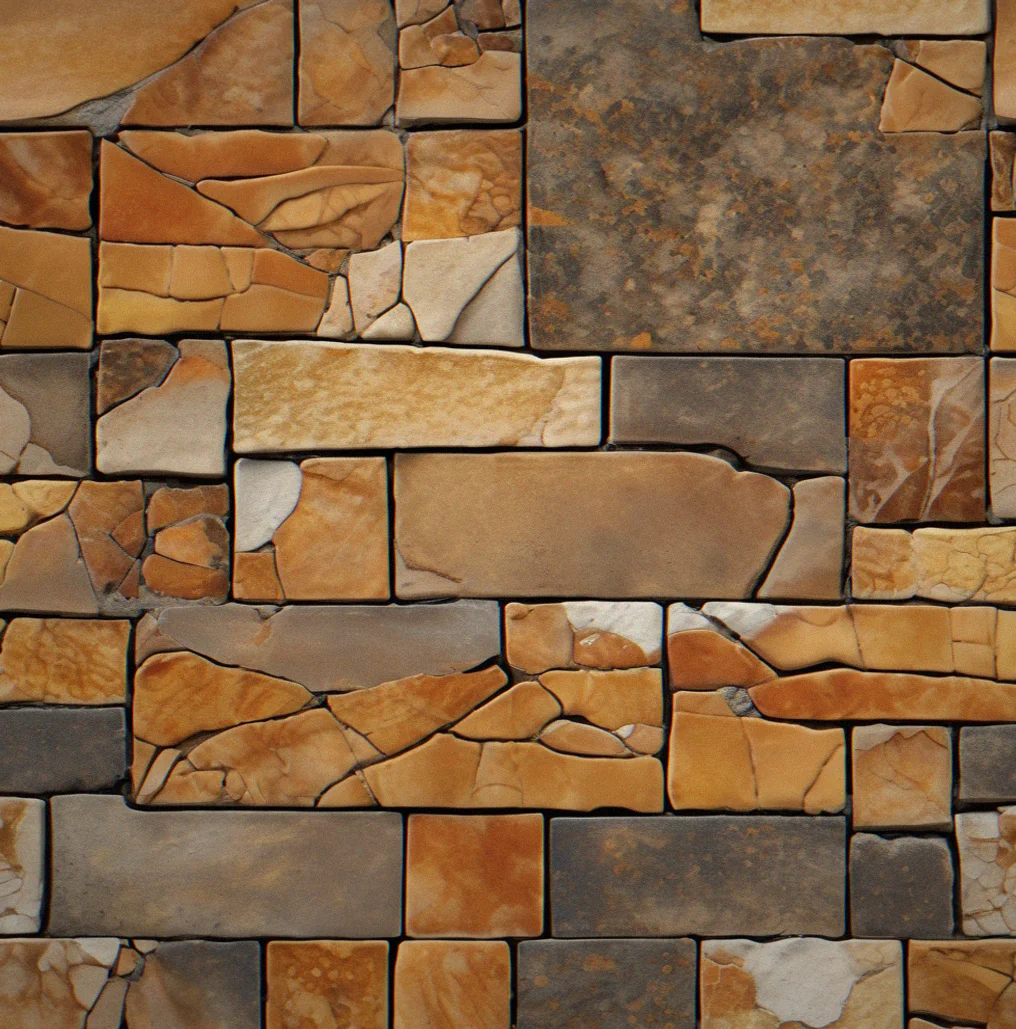
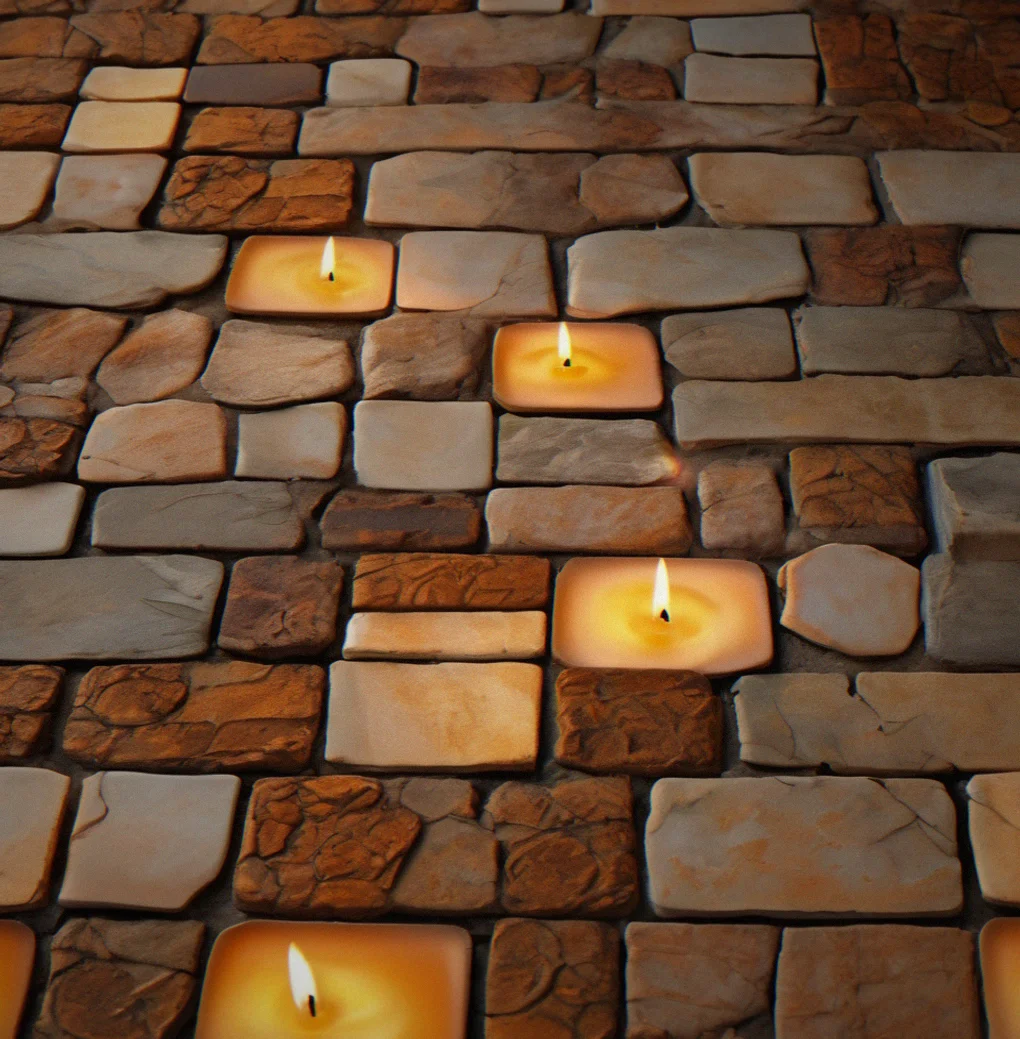
Detail shot of a single weathered tile fragment showing surface texture and subtle color gradation

Sound and feel work together

Tiles don't snap with a bang. They settle with a soft *thunk*. Color carries weight (warm terracotta reads different from cool slate). The ambient sound fills gaps instead of overwhelming. You almost feel the texture even though it's just pixels.

5
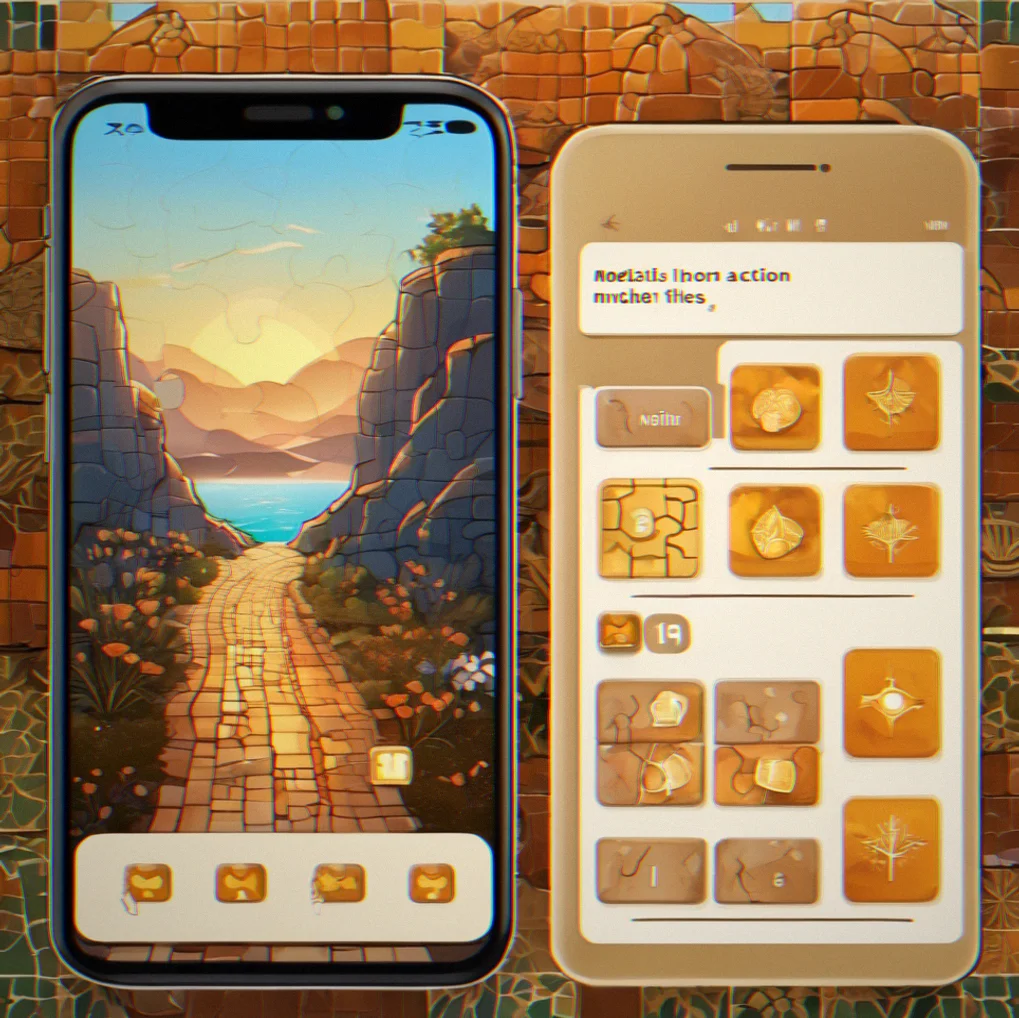
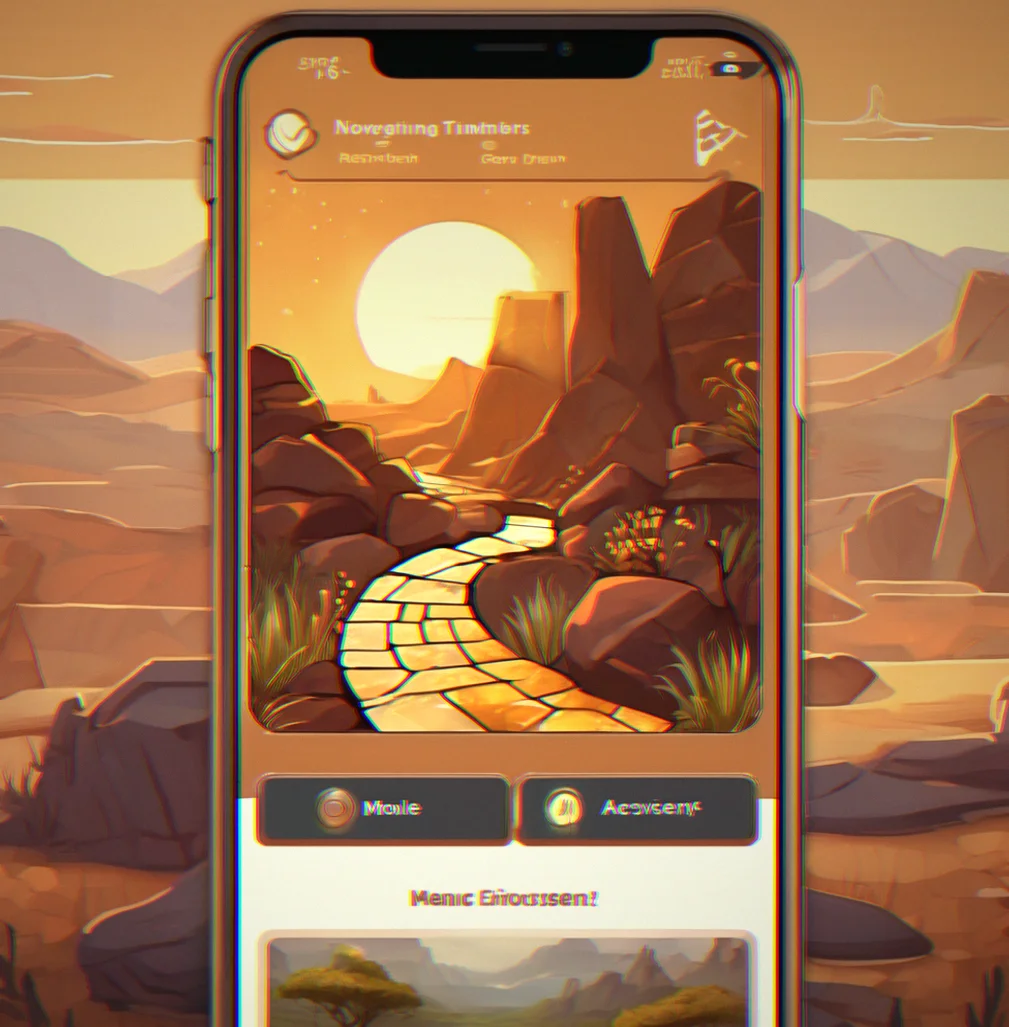
Mobile phone screen displaying puzzle progress with no notification badges or countdown timers visible

No pressure mechanics

Play for a quick 25 minutes or sink in three hours. No daily streaks to maintain, no battle pass expiring, no ad breaks between turns. The game leaves you alone. It doesn't manufacture fake urgency to keep you tapping.

6
Puzzle board showing multiple tiles with matching color patterns highlighted in subtle visual relationship

You learn by spotting patterns

A tile doesn't fit. Colors clash. Symbols repeat across pieces in ways that suddenly snap into focus. The puzzles teach your eye to find connections. Sovling them is how you decode a vanished culture.

7
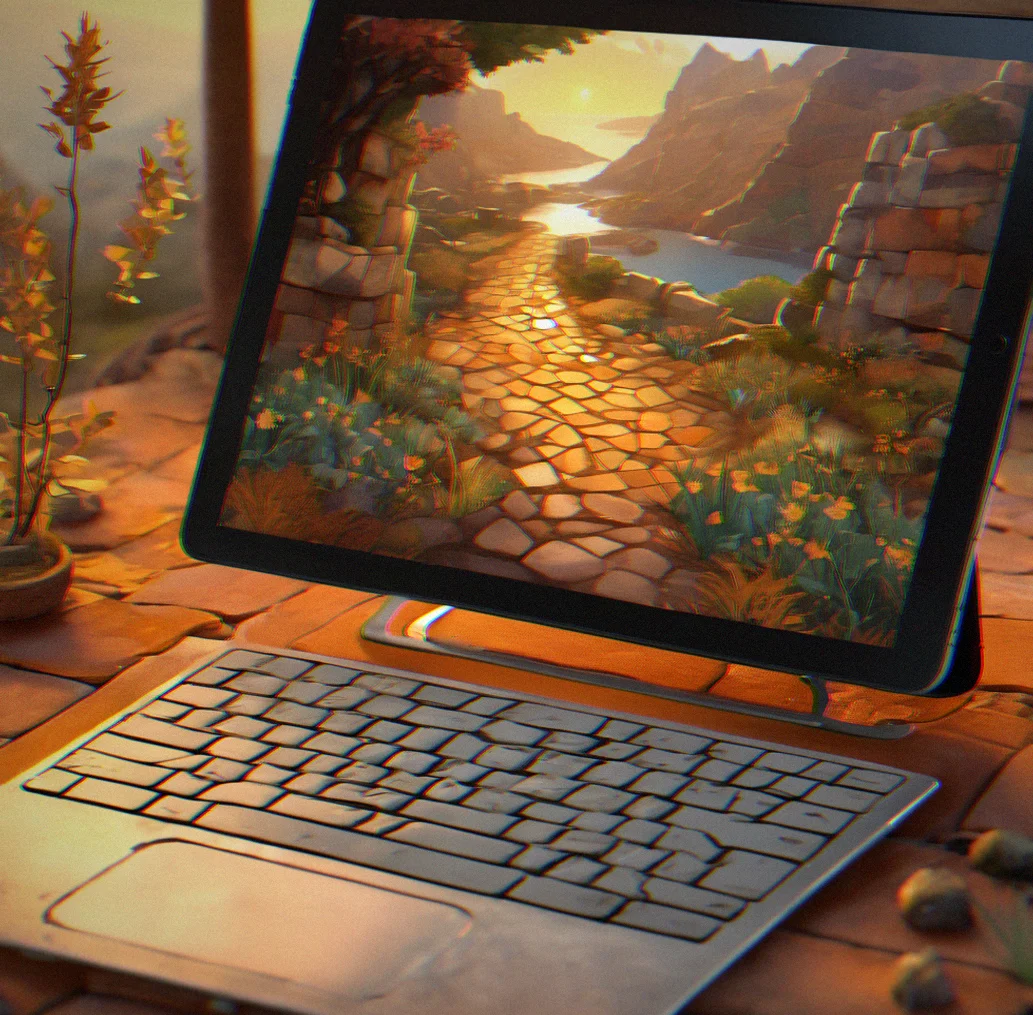
Laptop and tablet displaying the same game state, representing cross-device save persistence

Works completely offline

It lives on your device. No servers needed. No internet required. Start on your train ride, keep going offline during your flight, return to it a week later at the exact same spot. The game doesn't drain your battery or data beyond what makes sense.

How it works

Finding your own path

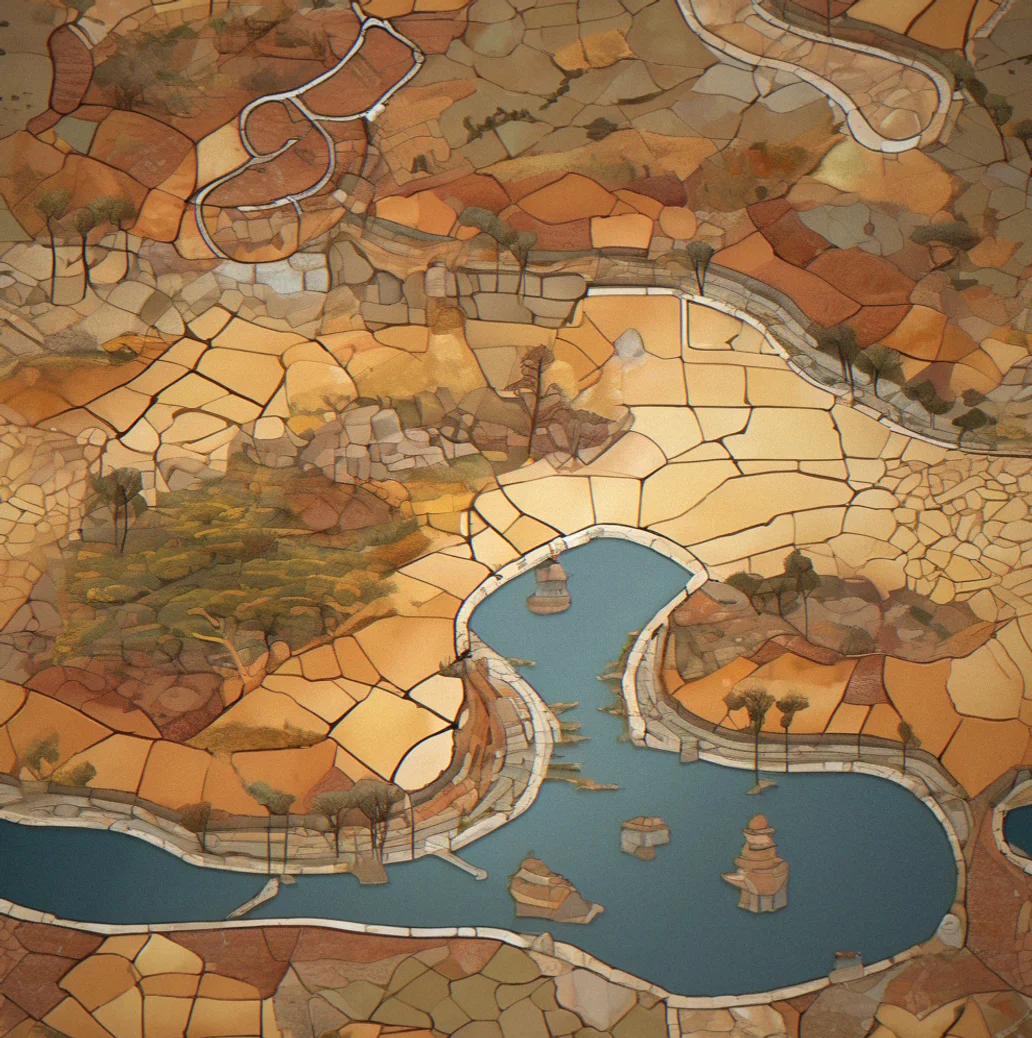
Top-down view of a game region showing five connected puzzle zones with tile pieces scattered across the terrain

Mosaic Trail won't hand you a story. You build it yourself. Five regions—Eastern Ruins, Tidal Terraces, Silent Gardens, Observatory Grounds, Archive Vaults—each packed with 15 to 20 puzzles spread across the map. Some are right there on the main routes. Others are tucked away, reachable only after you crack nearby pieces that open shortcuts or reveal new areas. Move between regions whenever you want. Solve what interests you. Understanding comes naturally, not forced. No quest markers, no objectives telling you which puzzle matters. Just a space that reveals itself as you work through it. The puzzles rely on color, symbols, and how things fit together spatially—no random difficulty jumps. Either a tile fits the pattern or it doesn't. Either you see the solution or you don't yet. That's where the calm comes from. Stepping away, coming back, letting the pieces settle.

80

puzzles you can find across all regions

6–12 hours

how long it takes most people to finish everything

TRAIL

Inside Mosaic Trail

What you're actually getting into. Regions, puzzles, the whole vibe. These screenshots are just momdnts from the game that stuck with us.

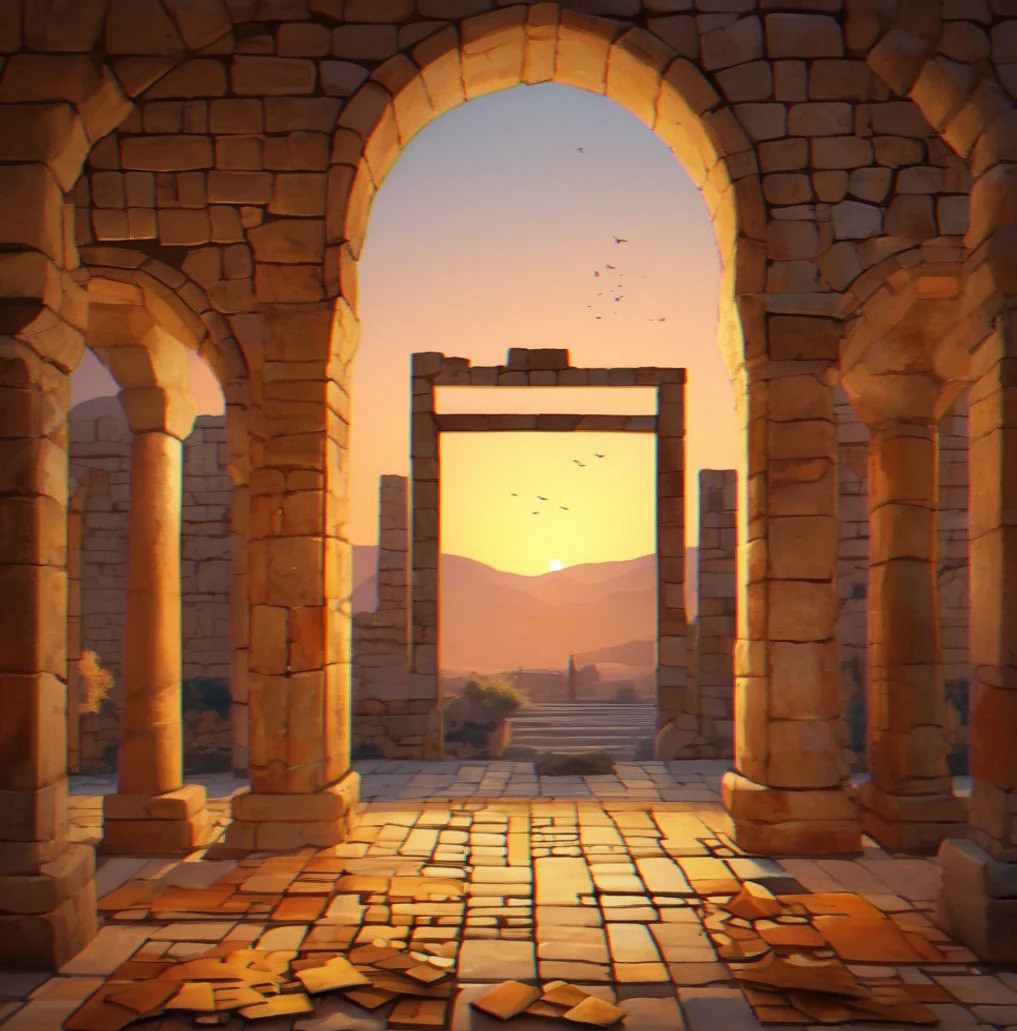
Eastern Ruins region at dusk with weathered stone structures and a completed mosaic puzzle glowing softly in the foreground, framed by archways

Eastern Ruins. Where you start seeing the patterns in everyday things

Close-up of hands arranging blue and terracotta tile fragments on a puzzle board, three tiles remaining unplaced

This is what you do most of the time. Spot the pattern. Place the tiles.

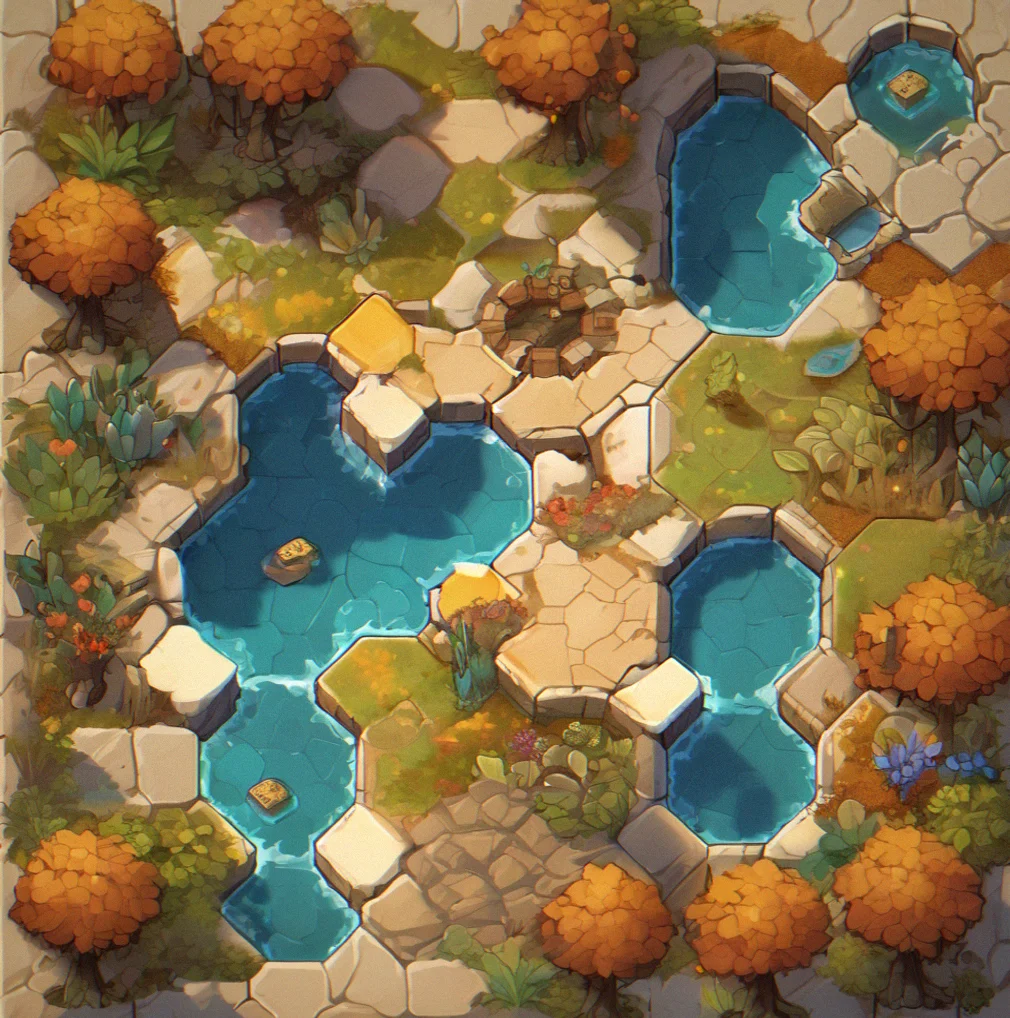
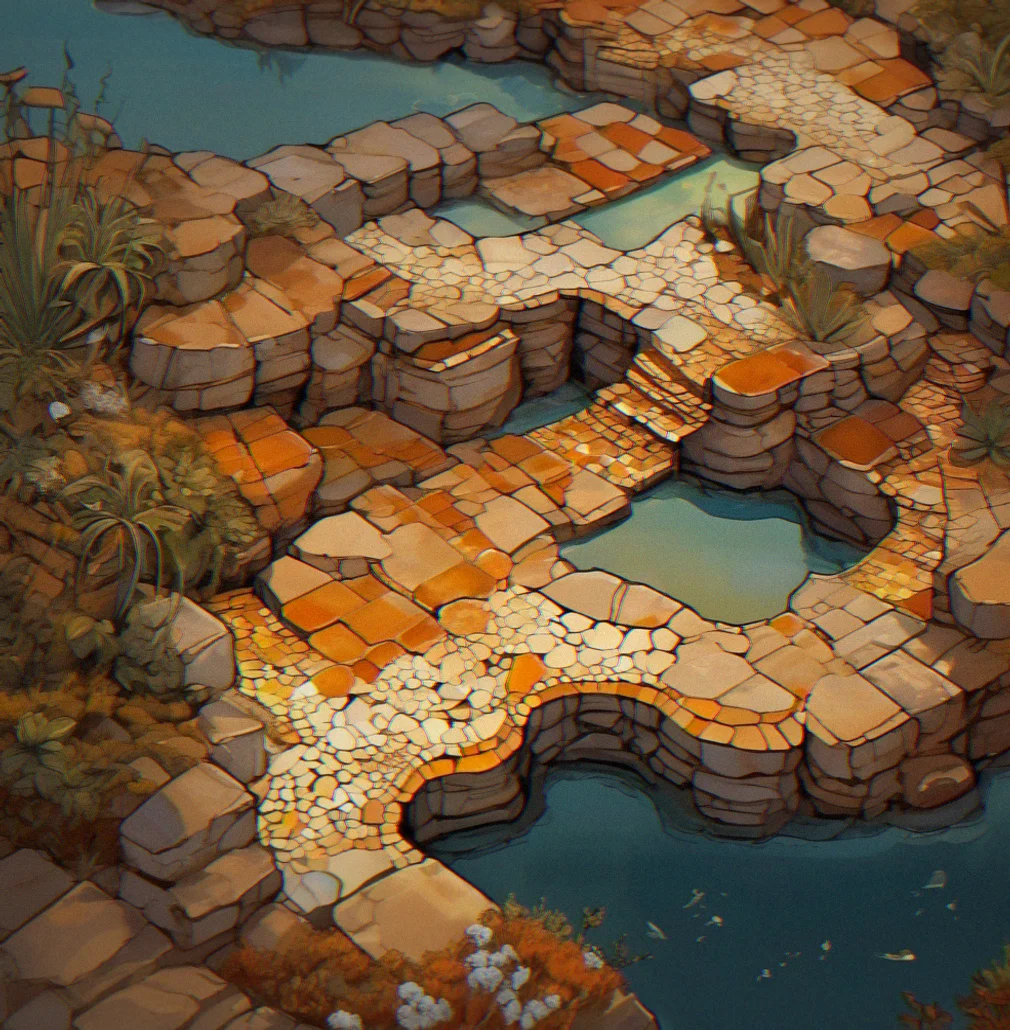
Tidal Terraces viewed from above, showing stepped water channels and scattered puzzle fragments reflecting moonlight across layered stone platforms

Tidal Terraces. Quiet. There's something here.

Why Mosaic Trail actually fits your life

Made for adults who want something that doesn't feel like work.

Respects your time

No timers. No daily streaks. No notifications pestering you to come back. Play on your commute, during lunch, or wind down in the evening. The game stops when you stop.

Phone screen showing a paused puzzlle with no badges or countdown timers

Handmade design throughout

Every puzzle was made by hand. Each region has its own look and feel. The tiles, colors, spatial logic—all intentional. Nobody used a generator. It's real work from actual people.

Close-up of individual tiles with varied textures and deliberate color shifts

Explore non-linearly

Stuck on a puzzle? Skip it and go somewhere else. The world opens in whatever direction you want. Solve five puzzles in one area, then wander into the next. Find passages, unlock shortcuts, pick up fragments without being forced down one path. Freedom and structure mixed together.

Top-down map showing five connected regions with multiple ways in and out

Learn through solving

No story dumps or long cutscenes. The puzzles themselves tell you what happened. Restore a living area and you see how people actually lived. Work through ceremonial puzzles and the symbols start making sense. You're the one figuring it out, not watching someone else.

Three completed puzzle pieces showing connected symbols that form a larger cultural pattern

Completely offline

No servers. No internet needed. Just you, the game, and your device.

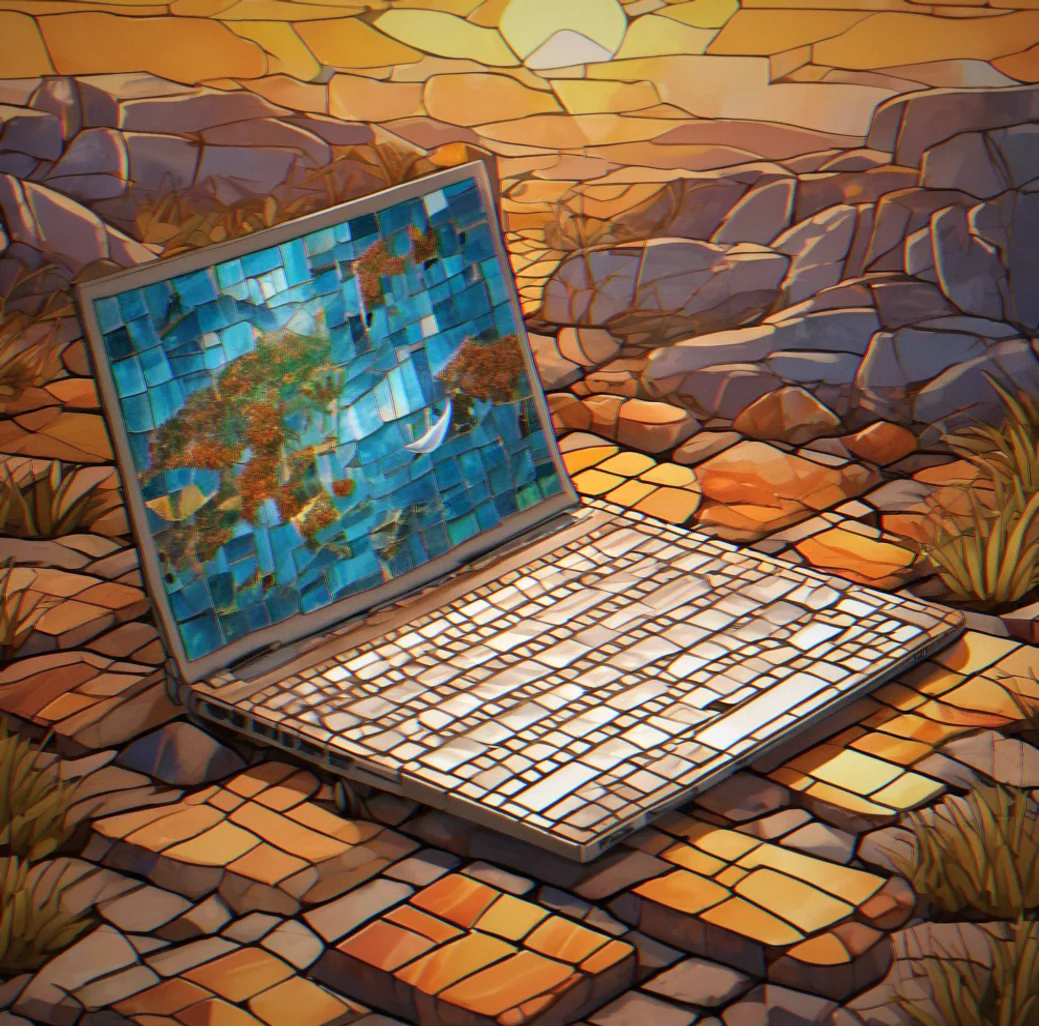
Laptop running Mosaic Trail in airplane mode, everything working fine
The basics

What you're actually getting

Mosaic Trail doesn't have combat, timers, or any competitive pressure. You won't need to log in every day or pay to make progress. What you get instead is puzzles. Five different regions. Over 80 tile arrangements that someone designed by hand. You can tackle them whenever you want, jump between areas freely. Every puzzle you complete builds toward something bigger—both visually and story-wise. The Eastern Ruins show you how people lived. The Tidal Terraces demonstrate farming systems. The Silent Gardens, Observatory Grounds and Archive Vaults each reveal their own narrative through the visual patterns of what you're putting back together. Depending on how deep you go and whether you're taking your time, you're looking at somewhere between 6 and 12 hours. Everything works offline. No ads. No internet connection needed. That's what you get. Whether you want it is up to you.

Explore each region

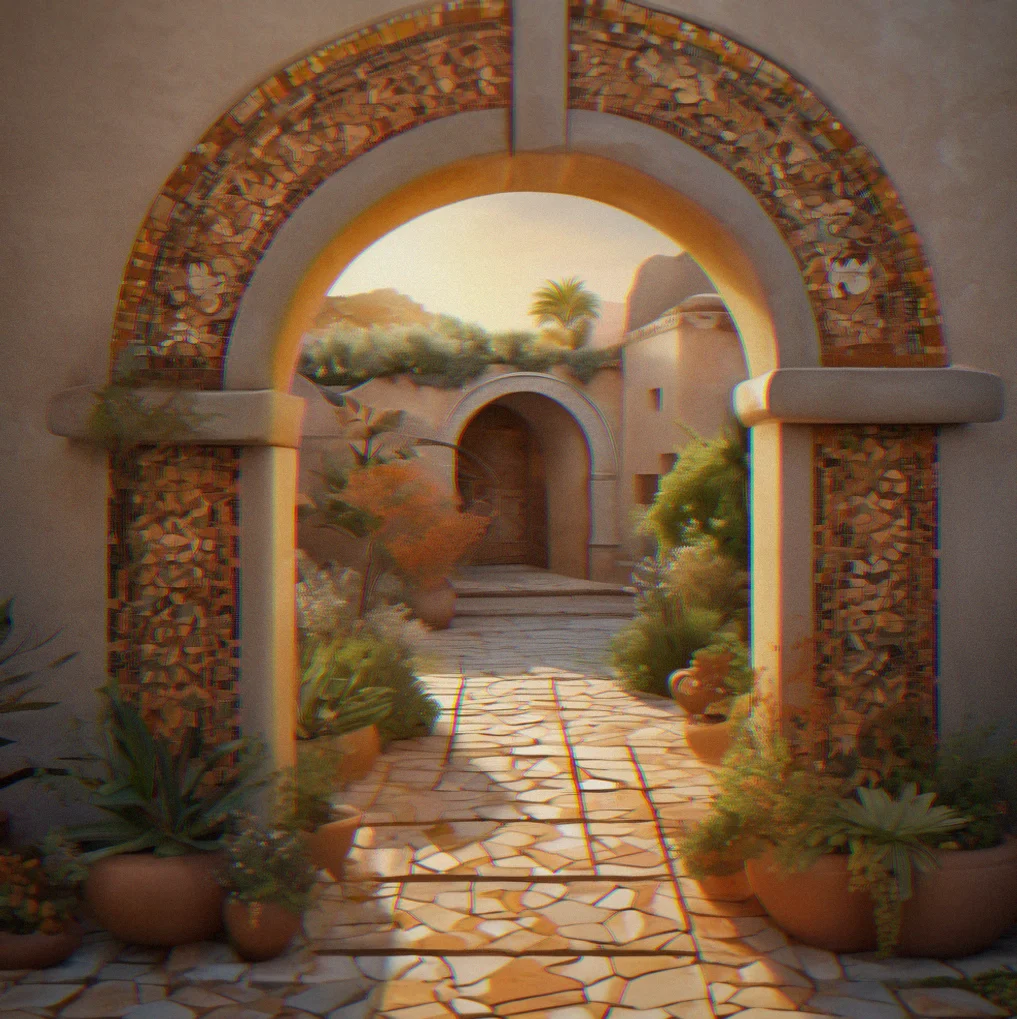
Stone archway framing a residential courtyard with puzzle fragments showing daily-life patterns and household arrangements

Eastern Ruins

Daily life shows up in the tile patterns. Solve puzzles that show you domestic spaces, work areas, gathering spots. The story comes through spatial logic—how the rooms connected, where people actually moved, what mattered to them.

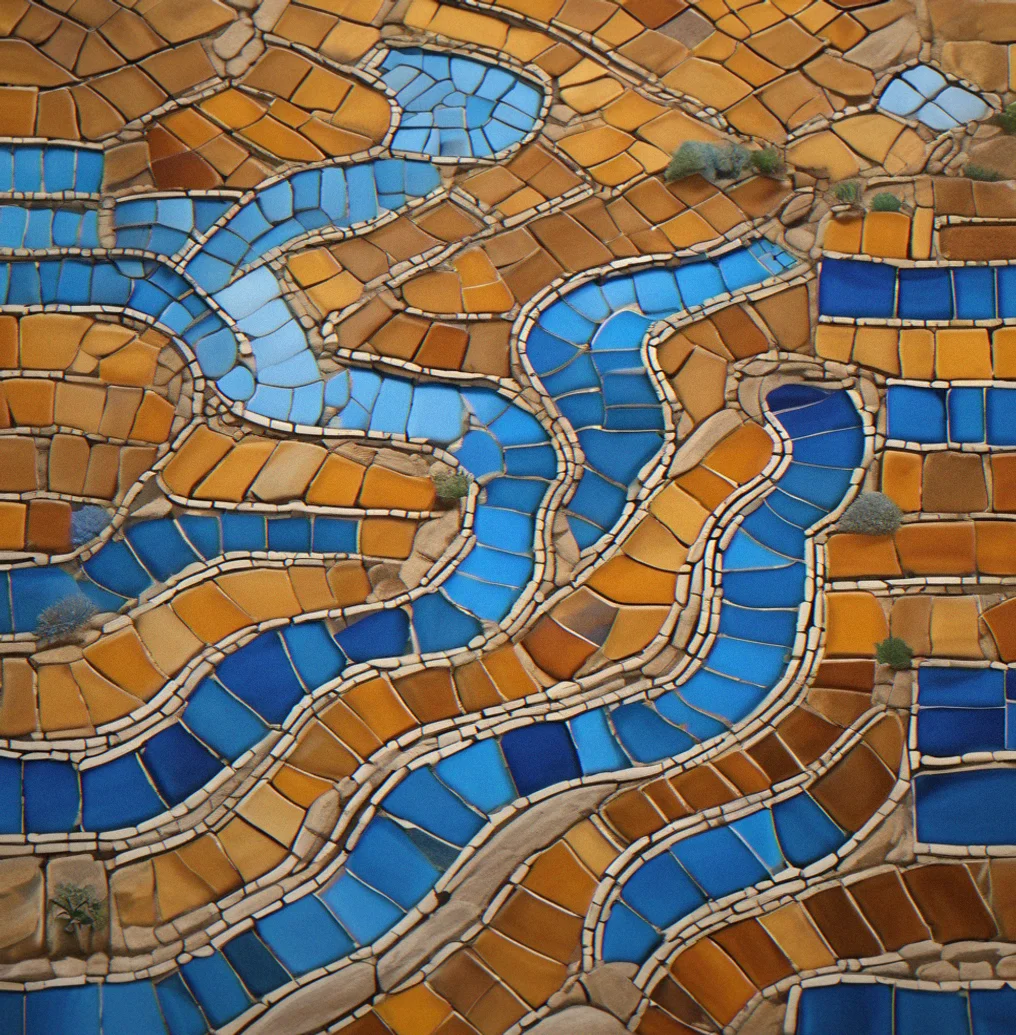
Overhead view of terraced water channels with blue and ochre tile fragments arranged in agricultural grid patterns

Tidal Terraces

Stepped platforms built by people who knew how to farm. Each puzzle shows you irrigation systems, planting patterns tied to seasons, harvest timing. They didn't just survive here—they shaped the landscape. The patterns repeat across terraces in ways that suddenly click.

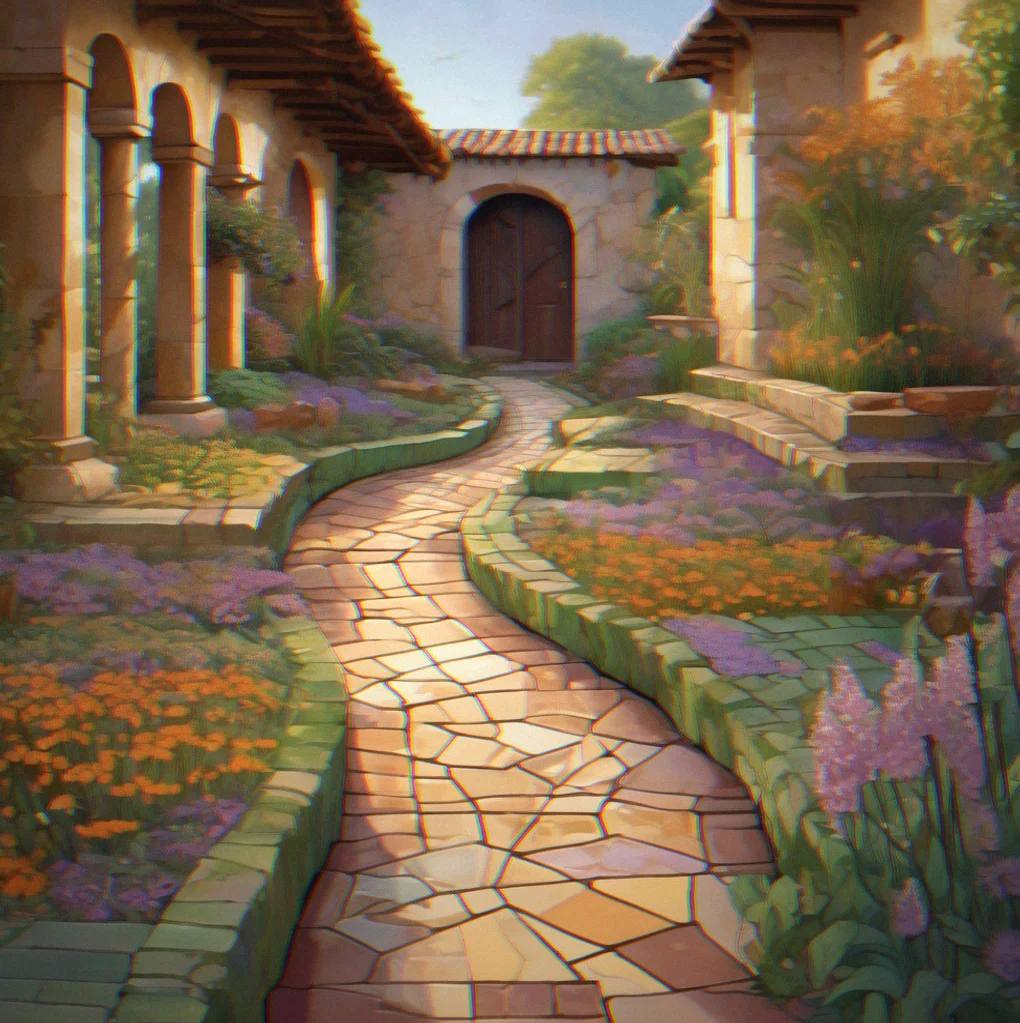
Garden pathway lined with flowering tile arrangements in soft greens and purples, fragments still awaiting completion

Silent Gardens

Meant for quiet reflection. The puzzles here use curved shapes and color that flows together rather than strict geometry. Ornamental. Possibly sacred. You're rebuilding something beautiful for its own sake, not because it serves a purpose.

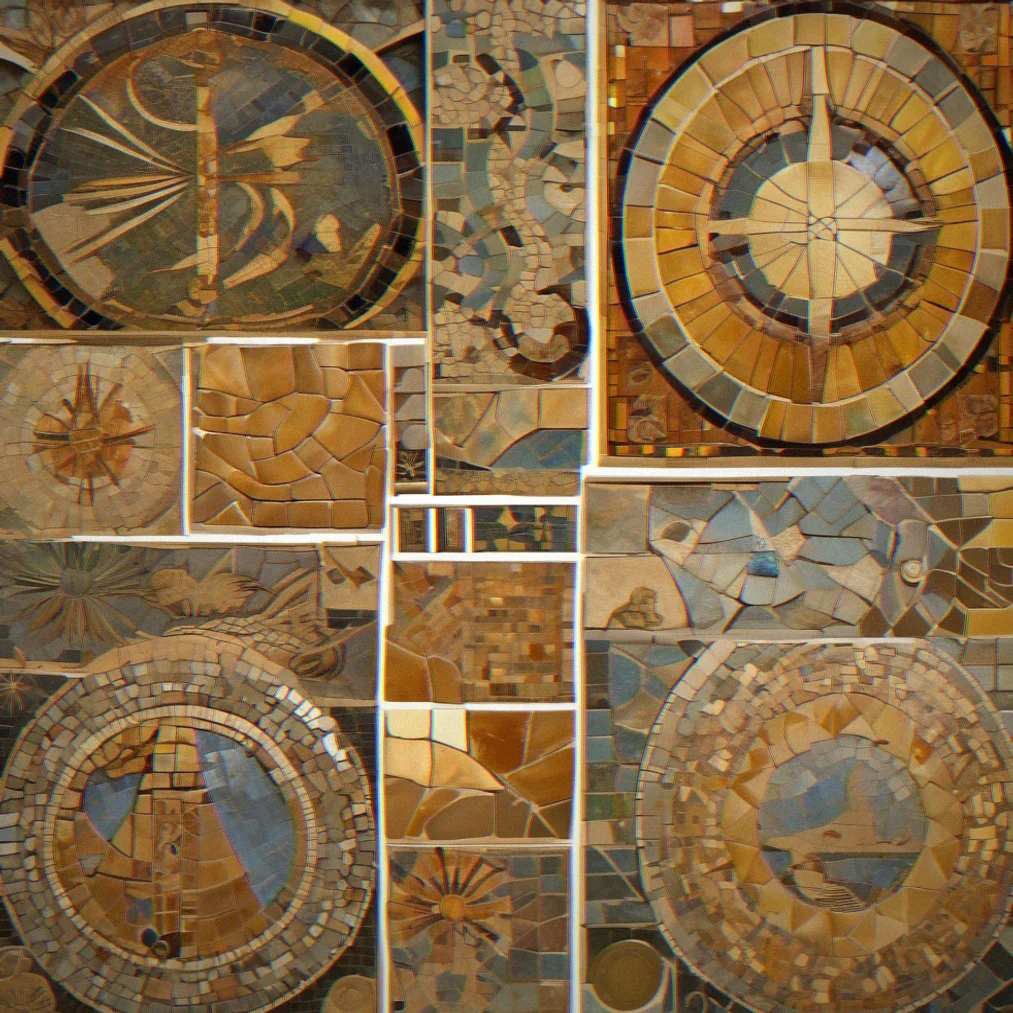
Circular tile arrangement showing celestial symbols and mathematical progressions reflecting moonlight

Observatory Grounds

Astronomy. Math. Reading the sky. Puzzles get more involved here—not harder necessarily, just layered. Symbols repeat in ways that suggest people watched the stars and kept records. The patterns themselves work like a language aimed straight at the mind.

Underground vault chamber with stacked tile frragments containing repeated symbols and consolidated patterns from all regions

Archive Vaults

Preserved knowledge. Protected knowledge. These final puzzles bring together everything you picked up before. The visual language from earlier regions comes back here, layered and mixed. Solving them feels like understanding a full sentence in a language you've been learning.

Close-up of puzzle board showing matching color pairs highlighted and two misplaced tiles being repositioned

Pattern recognition at work

A tile doesn't fit. The colors won't line up. Symbols repeat across different pieces. Your eye learns to catch relationships—how blue talks to terracotta, how a curved edge mirrors something three puzzles over. Recognition builds step by step.

Map view showing all five regions with highlighted pathways and multiple entry points between interconnected areas

Non-linear exploration

Pick any region to start. End somewhere different. No gates, no locked levels. Stuck on something? Go somewhere else instead. Solve what feels right. Come back later. That freedom shapes the whole thing.

Macro photograph of individual tile surface showing weathered texture and subtle color gradation in candlelit setting

Sensory design

Tiles settle instead of snapping into place. Warm colors suggest community, cool blues suggest thought and water. Sound fills the quiet. Surfaces feel worn. Every detail supports calm focus without pushing urgency or agitation.

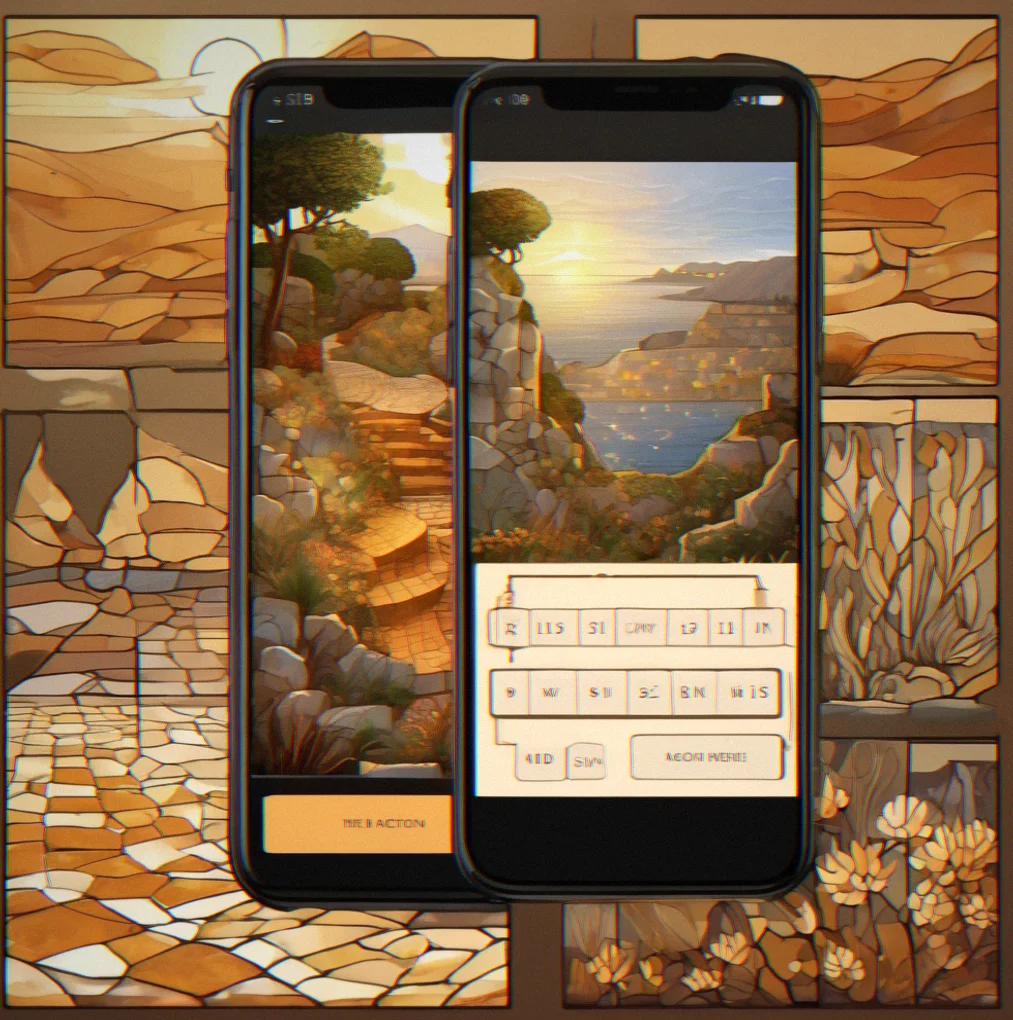
Mobile device showing game progress screen with no notification badges, timers or achievement popups visible

Your pace, your time

No timers. No streaks you need to maintain. No notifications trying to pull you back in. Play for 25 minutes or three hours. The game pauses when you leave. It's there exactly as you left it when you return.

Built for how you actually play

80+ hand-designed puzzles

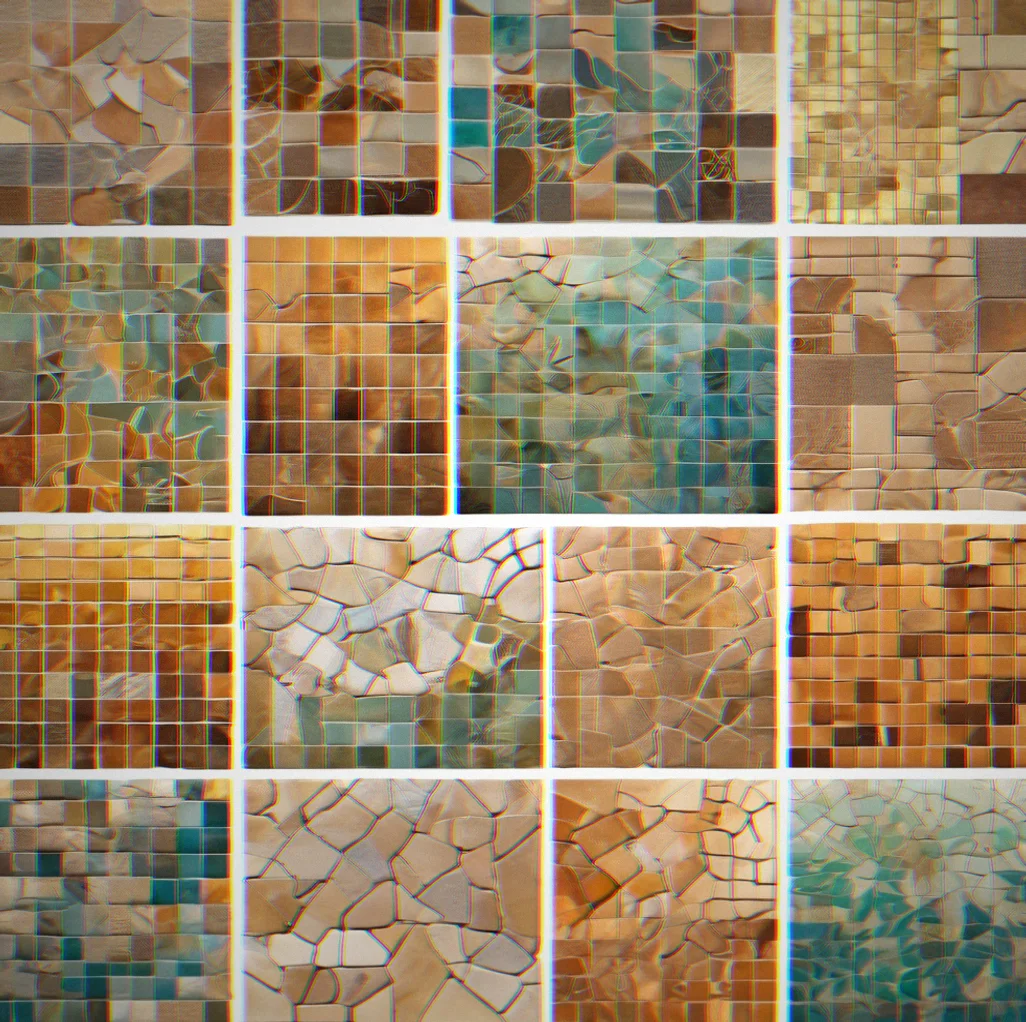
Grid of nine unique puzzle layouts showing varied tile arrangements and distinct color palettes

Each puzzle was made by hand. No procedural generation, no randomization. They're built to test something specific about visual logic and fit into the region's story.

Five distinct regions to explore

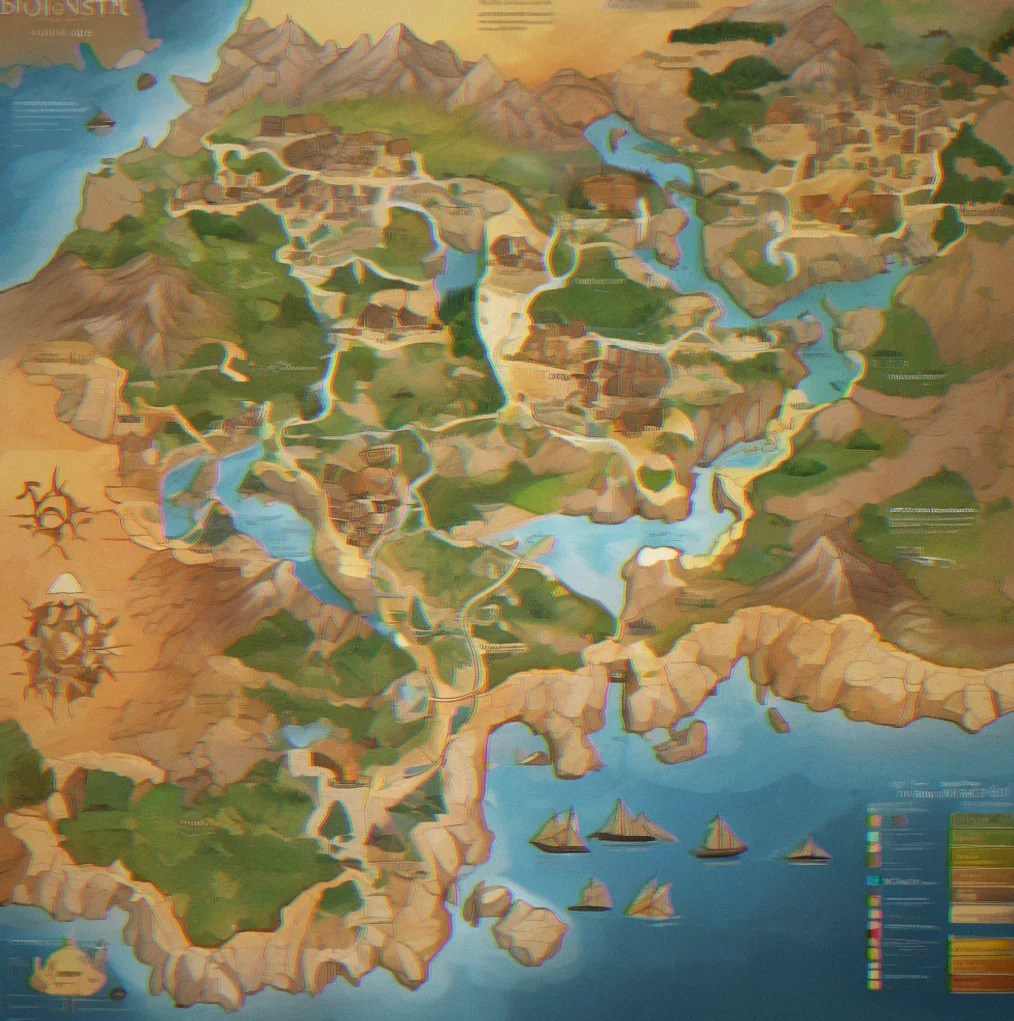
Map showing all five regions with distinct terrain types and architectural styles color-coded by location

Eastern Ruins, Tidal Terraces, Silent Gardens, Observatory Grounds, Archive Vaults. Each one looks different and plays differently, with its own theme. You can move between them whenever you want—no gates, no forced progression.

Pattern language you absorb naturally

Progression of puzzle complexity showing symbol repetition and color relationship patterns evolving across regions

Color meanings, symbol relationships, spatial logic—you pick them up by solving, not reading tutorials. The visual grammar starts to click. By the time you reach the Archive Vaults you're fluent in something you didn't realize you were learning.

Play whenever, however long

Device screen showing mid-puzzle save state with no notifications or timer indicators visible

Half an hour on your commute. Two hours on Sunday. Five minuets between meetings. The game saves exactly where you stopped. No timers, no nagging to keep going.

Offline by design

Laptop displaying active gameplay with airplane mode enabled and full UI visible

Just your device. No servers, no internet needed. That means it runs the same way every time, nothing gets tracked, and you can play anywhere—planes, trains, the middle of nowhere. Everything works without a connection.

Restoration as narrative

Three completed puzzle sections from different regions arranged showing interconnected thematic patterns and story threads

You're not reading about a lost civilization. You're putting it back together. Every puzzle solved adds a piece. Homes show you how people lived, temples show what they valued, archives hold what they knew. The story comes from what you rebuild.

The experience

6 to 12 hours of quiet restoration
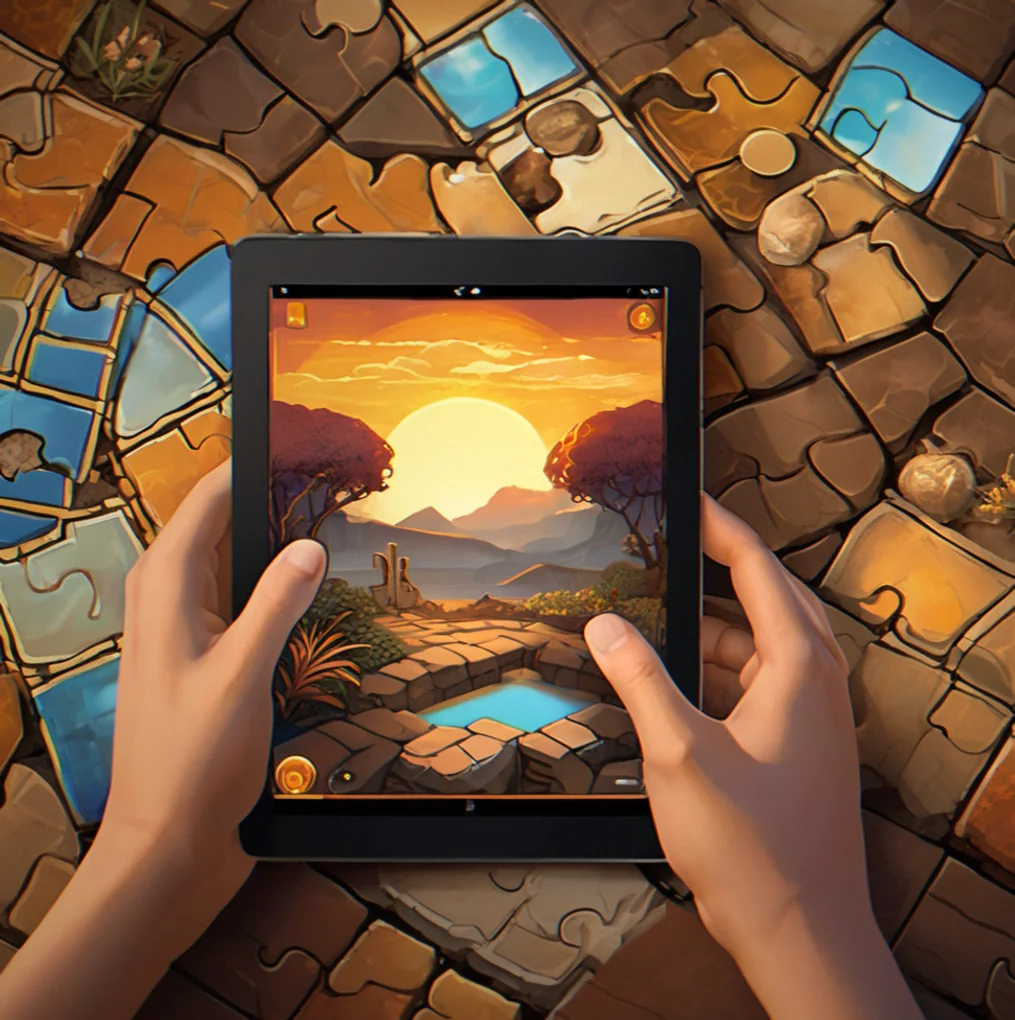
Player hands holding tablet displaying a nearly-complete puzzle with three remaining tile fragments waiting placement

A typical playthrough takes somewhere between 6 and 12 hours, really depending on how deep you want to go. Some people blaze through the core puzzles in about 6 hours. Others take the full 12, poking into every corner, hunting down optional fragments, just letting the visual language sink in gradually. What's nice is that both ways feel genuinely finished — you're not left hanging or gated behind some artificial wall. You work through five regions at whatever pace feels right, tackling puzzles as they call to you. But here's where it gets interesting: the real magic is in the noticing. How the colors shift and talk to each other across different regions. How symbols start showing up in patterns that eventually click into place. How a tile you barely thought about three hours ago suddenly has a home somewhere completely unexpected. That moment when it lands — when you start seeing the visual language fluently — that's what the game is actually after. The puzzles are just how you get there.
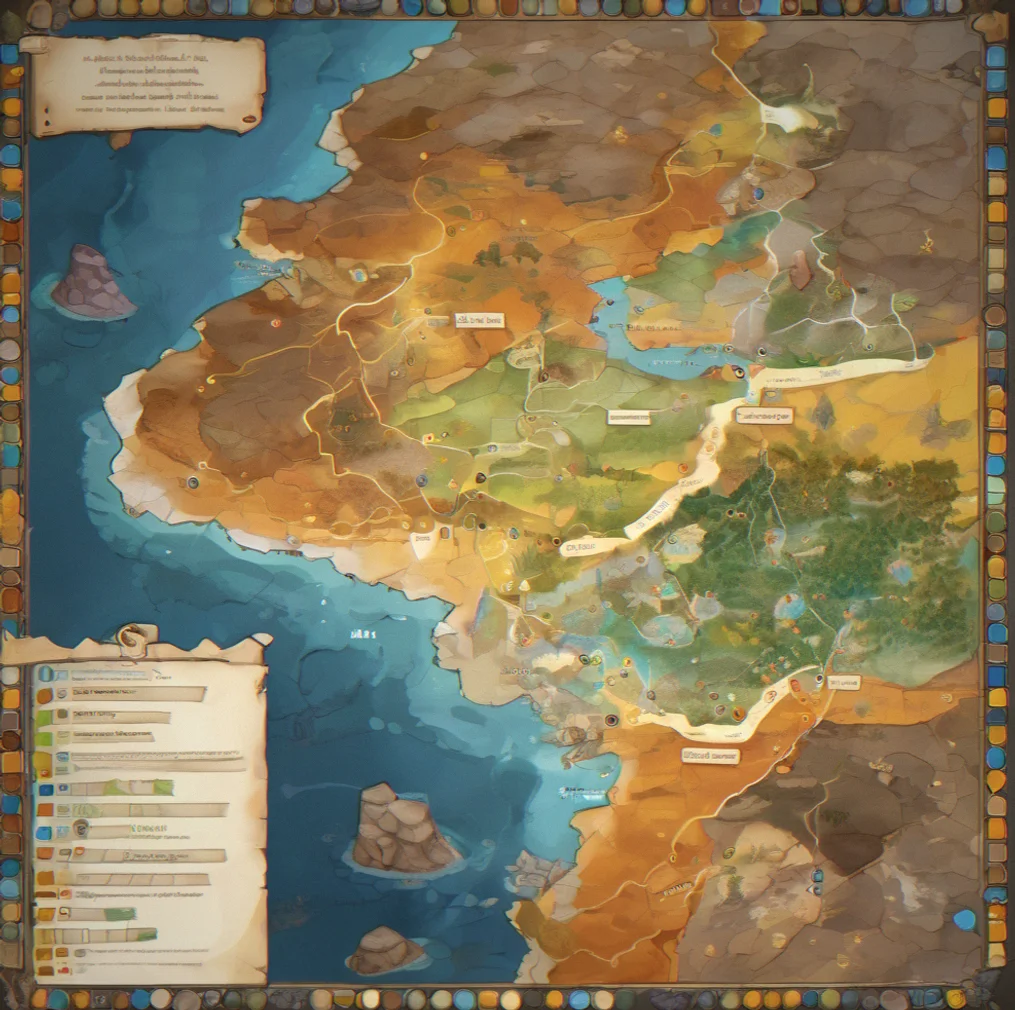
Map view showing progression across all five regions with color-coded completion status for each area

Non-linear world design

You can start anywhere you want, jump between regions freely, solve puzzles in whatever order makes sense. No gates, no mandatory sequences — and it actually matters.

Visual narrative through restoration

The story isn't told to you — it comes through what you rebuild. Domestic spaces show you how people lived, ceremonial areas hint at what they valued, archives piece together what they knew.

Offline, always available

Works completely offline. Your device, your save, no internet needed. Play during your commute, at the airport, during a quiet evening at home — wherever.
Questions

Common concerns about Mosaic Trail

Over 80 puzzles spread across five regions with no timers breathing down your neck. Here's what actually matters to people before diving in.

Somewhere between 6 and 12 hours, really depends on how you play. You can push through the main puzzles in about 6 if you're focused. But if you're the type to linger and pick apart every optional fragment, absorb how the visual language works, you might spend twice that. The thing is both feel like you've seen the whole picture. No artificial gating, no grind walls hiding content behind arbitrary tasks.

Yeah, completely offline. No servers involved, no internet dependency, nothing syncing in the background. It's just you and your device. Works on a plane, works in the middle of nowhere, works without wifi. Everything functions exactly the same.

Then you don't solve it right then. The whole world branches out — jump to a different region, tackle something else, come back whenever you feel like it. Nobody's locking you out of progress because you're stuck on one thing. No countdown timers either. The game lets you think.

There's definitely a story in there, just not delivered the way you'd expect. You uncover it by restoring, not by watching cutscenes. Work through the domestic puzzles in the Eastern Ruins and patterns of daily life start making sense. Piece together the ceremonial spaces and cultural weight emerges. As you rebuild things, you're picking up a visual language, not skimming dialogue boxes or flipping through lore.

M

Stay in the loop about new regions, puzzle drops, and what's next for Mosaic Trail.

We skip the marketing speak and keep emails sparse. You'll get occasional notes about new stuff, how we build things, and when something launches. Think once a month, maybe less. We don't spam your inbox the way we don't waste your time in the game.